

Rosh Hashanah, the Jewish New Year, is a deeply spiritual time for reflection, renewal, and connection with God. As the beginning of the High Holy Days, it marks a moment of profound introspection and prayer, where individuals and families come together to seek forgiveness, set intentions for the year ahead, and celebrate the blessings of life.
At MulticulturalCalendar.com, we believe in embracing the beauty of all cultural and religious celebrations, and Rosh Hashanah stands as a powerful reminder of the universal themes of renewal and reflection. This blog post will explore the significance of Rosh Hashanah prayers, their spiritual practices, and how these rituals help deepen the connection between individuals and their faith.
The Spiritual Significance of Rosh Hashanah

Rosh Hashanah, occurring on the 1st and 2nd days of Tishrei in the Hebrew calendar, is one of the holiest days in the Jewish tradition. It is a time of self-reflection and repentance, known as the "Days of Awe," which stretch from Rosh Hashanah to Yom Kippur. The central theme of this holiday is the renewal of life and the acknowledgment of God’s sovereignty over the universe.
“The first day of the year is not only a day for a fresh start but a day for self-examination, asking: What have I done well? What can I improve upon?”
— Rabbi David Wolpe
"On Rosh Hashanah, it is written; on Yom Kippur, it is sealed." This traditional Jewish saying captures the essence of the High Holy Days. Rosh Hashanah marks the beginning of the process of soul-searching and personal growth, which culminates in Yom Kippur, the Day of Atonement. During this time, prayers play a vital role in expressing repentance, gratitude, and hope for a new beginning.
Key Prayers of Rosh Hashanah
The prayers of Rosh Hashanah are central to the celebration of the holiday. They are recited in the synagogue and at home, bringing people together in prayer, reflection, and gratitude. The High Holy Days prayers include the familiar Amidah, Kiddush, and the Shofar blasts, but there are specific prayers unique to Rosh Hashanah that add to the spiritual depth of this time.
The Unetanneh Tokef Prayer:
One of the most well-known and emotional prayers recited during Rosh Hashanah is the Unetanneh Tokef. This prayer emphasizes the belief that God determines the fate of all beings for the upcoming year, including who will live, who will die, and who will face hardships. It is a poignant reminder of the fragility of life and the need for repentance and renewal.
“On Rosh Hashanah it is written, on Yom Kippur it is sealed: How many shall pass from the earth, and how many shall be created, who shall live and who shall die…”
— Unetanneh Tokef Prayer
The Unetanneh Tokef calls for repentance, prayer, and charity to alter one’s fate for the better. It is a powerful reminder to use the time wisely, embrace spiritual growth, and seek forgiveness from both God and fellow humans.
The Shofar: A Symbolic Call
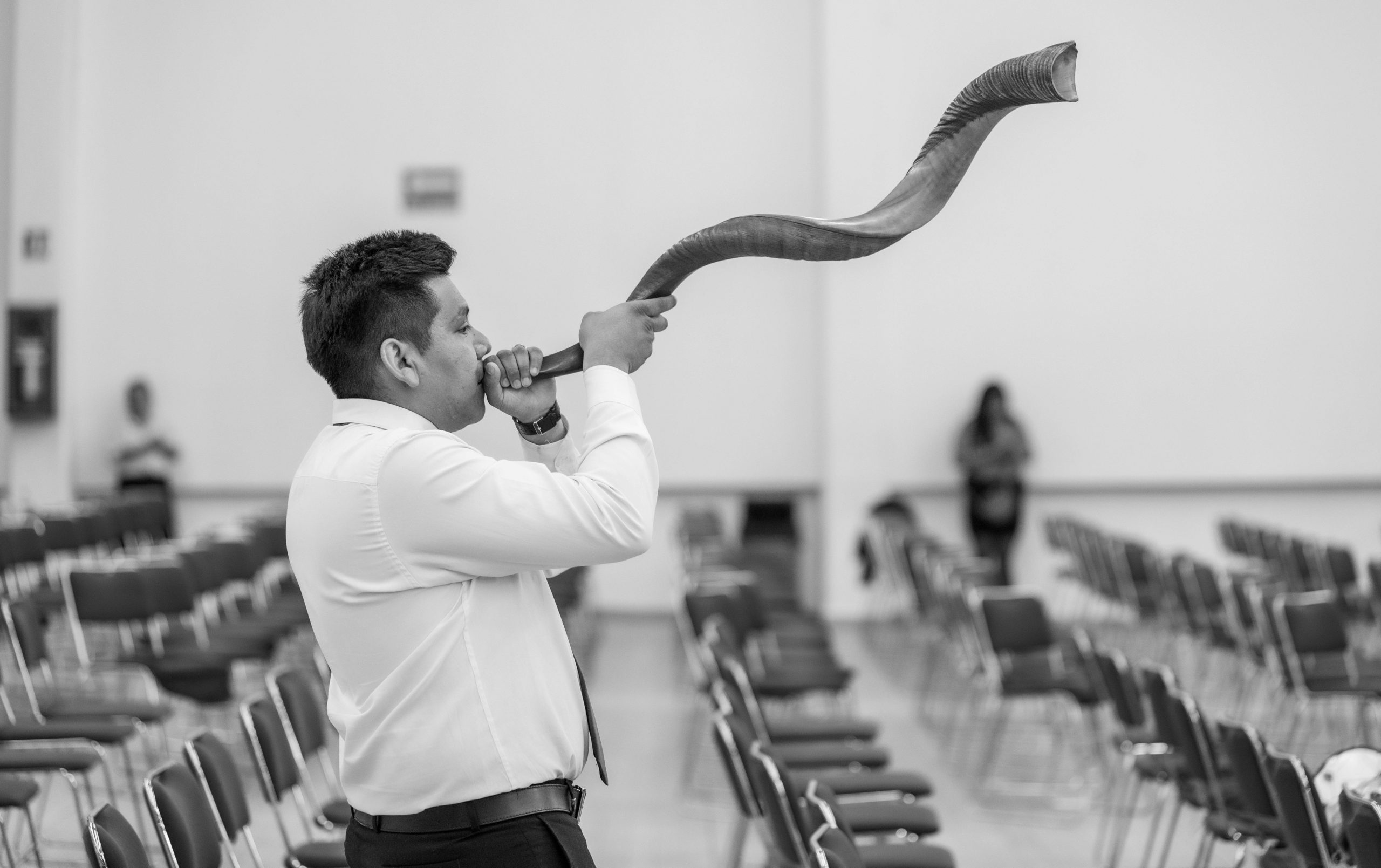
The sound of the Shofar (ram’s horn) is perhaps the most iconic symbol of Rosh Hashanah. The blasts of the shofar serve as a wake-up call, urging individuals to reflect on their lives, repent for their misdeeds, and reconnect with their spiritual selves. The Teki'ah, Shevarim, and Teru'ah are different sounds produced by the shofar, each with its own spiritual significance.
“The shofar is a call to awaken our souls, to renew our commitment to God, and to remind us of the power of spiritual transformation.”
— Rabbi Menachem Schneerson
The shofar serves as a reminder that Rosh Hashanah is a time for spiritual rebirth. It is a call to turn inward and assess where we’ve been, where we are, and where we are headed in our journey of faith.
Personal Reflection Through Prayer
Rosh Hashanah is not only about communal prayers; it is also an opportunity for personal introspection. Jews around the world use this time to ask themselves key questions, meditate on their deeds, and take responsibility for their actions. This reflective practice is central to the process of Teshuvah, which is the Hebrew word for repentance. Teshuvah is about returning to a more righteous path and re-establishing one's connection to God and others.
One of the most beautiful prayers for personal reflection is the Avinu Malkeinu, or “Our Father, Our King.” This prayer, recited during Rosh Hashanah and throughout the High Holy Days, expresses humility and the desire for God’s mercy. The verses plead for forgiveness and a good year ahead, acknowledging both the mercy of God and the imperfections of humanity.
The Avinu Malkeinu:
"Avinu Malkeinu, hear our voice. Avinu Malkeinu, forgive us and answer us."
This prayer is not just a plea for forgiveness but a profound expression of the relationship between the individual and the divine. It’s a moment to ask for help in becoming the best version of ourselves, guided by spiritual and moral clarity.
The Role of the Family in Rosh Hashanah Prayers
Rosh Hashanah is a time for family unity. Many families gather around the table to recite prayers together, share festive meals, and discuss the significance of the holiday. The prayers offer a chance for families to connect spiritually, renewing their bond with each other and with their faith.
In addition to the formal prayers, many families engage in the practice of Tashlich, which involves casting crumbs of bread into a flowing body of water, symbolizing the casting away of sins. This practice brings families together in a physical and spiritual act of renewal, reflecting the prayers of forgiveness and cleansing.
Quote: “In a time when we must all grow together, our prayers on Rosh Hashanah remind us that true renewal begins not only within but also in the hearts of those we love.” — Rabbi Jonathan Sacks
Food as a Spiritual Offering
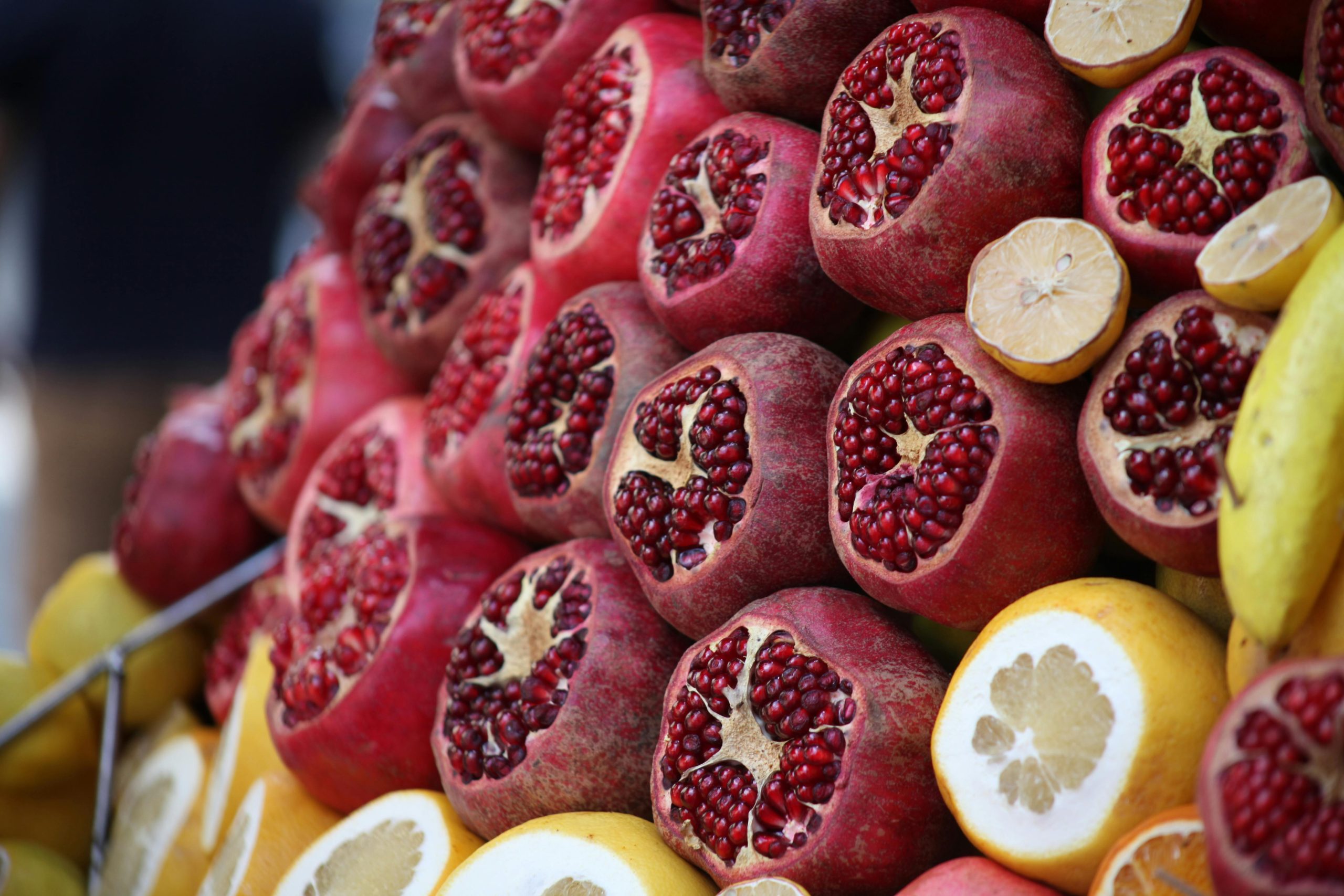
While prayers take center stage on Rosh Hashanah, food also plays a significant role in the holiday’s spiritual practices. The meals during Rosh Hashanah are filled with symbolic foods, each carrying its own spiritual meaning and connection to the themes of the holiday.
For example, apples dipped in honey symbolize the hope for a sweet and fruitful year. Pomegranates are often eaten because they are said to contain 613 seeds, corresponding to the 613 commandments of the Torah, symbolizing the desire to fulfill God’s commandments in the coming year.
“Just as our prayers seek to sweeten our year, so too do our meals, reminding us that joy and gratitude are part of every prayer.”
— Rabbi Shmuel Eliyahu
This focus on sweetness and abundance is a natural extension of the prayers themselves, which are filled with hope for new beginnings, a year of prosperity, and spiritual growth.
The Power of Community in Prayer
Rosh Hashanah prayers are also an opportunity to experience the strength of community. Coming together in a synagogue or at home, individuals join in prayer, creating a sense of collective responsibility and spiritual unity. The communal nature of Rosh Hashanah prayers strengthens the bonds between individuals, reminding them that they are not alone on their spiritual journey.
Quote: “The power of prayer is not only in the words we say but in the togetherness we experience when we say them.” — Rabbi Harold Kushner
In the same way that the High Holy Days invite individuals to seek a personal connection with God, they also emphasize the importance of shared spiritual experiences. The prayers of Rosh Hashanah are not just a private act of devotion but a collective expression of faith and renewal.
Conclusion: Embracing Renewal Through Rosh Hashanah Prayers
Rosh Hashanah prayers serve as a profound spiritual practice that unites people across the globe in a time of reflection, repentance, and renewal. The prayers and rituals of this sacred time are not only about seeking forgiveness but also about making a commitment to live a better, more meaningful life in the year to come.
At MulticulturalCalendar.com, we understand that spirituality is a deeply personal experience, and Rosh Hashanah provides an opportunity for everyone—regardless of background or faith—to reflect on the universal themes of transformation, forgiveness, and hope. Whether through prayer, community, or personal reflection, Rosh Hashanah invites all of us to embrace the possibility of change and the power of renewal.
“The greatest blessing in life is the ability to start anew, and Rosh Hashanah gives us the chance to do just that.”
— Rabbi Israel Salanter
As we approach this sacred time, may we all find peace, purpose, and connection through the prayers and practices of Rosh Hashanah.

0 comments