

In today’s interconnected world, discussions about religion are more common than ever. Yet, many people often confuse the terms “Muslim” and “Islam.” While the two are deeply related, they are not the same. Islam is the religion, a system of beliefs and practices, while a Muslim is a person who follows that religion. Understanding this distinction is not only essential for accurate knowledge but also fosters respect, tolerance, and harmony in an increasingly diverse world.
"Education is the most powerful weapon which you can use to change the world."
– Nelson Mandela
This confusion can arise for many reasons. Sometimes, it is because media coverage often portrays Muslims in ways that overshadow the religion itself. At other times, it is simply due to a lack of education or exposure to correct information. Regardless of the reason, clarifying the difference between a Muslim and Islam is crucial. Doing so helps avoid stereotypes, promotes empathy, and strengthens cross-cultural understanding.
It is important to approach this topic with sensitivity and respect. Religion is deeply personal, and even small misunderstandings can lead to misrepresentation or offense. Therefore, in this article, we aim to provide a thorough, informative, and respectful guide to help anyone—Muslim or non-Muslim—understand what Islam is and who Muslims are.
1. What is Islam?
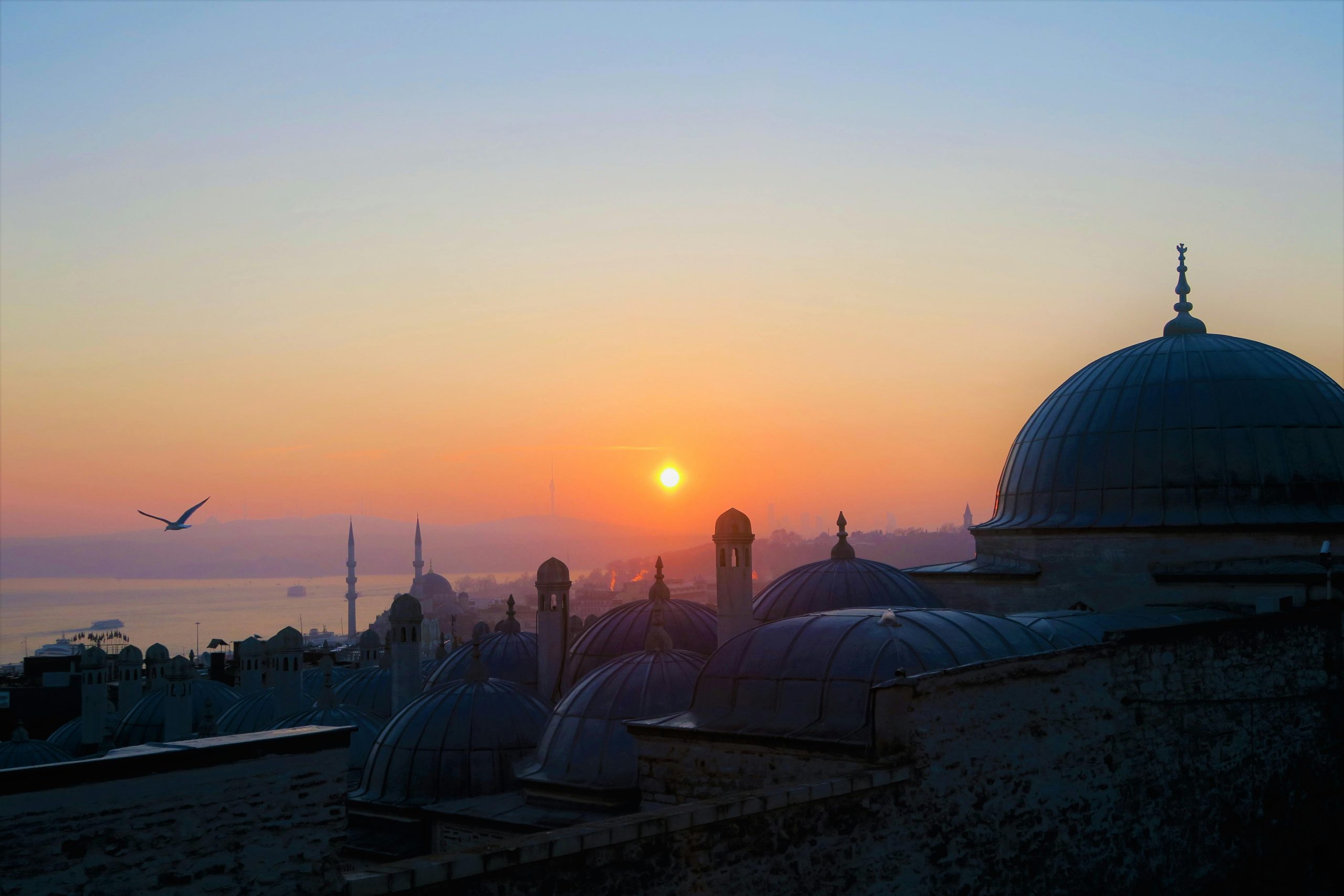
Islam is a monotheistic Abrahamic religion that began in the 7th century CE in the Arabian Peninsula. The word “Islam” itself comes from the Arabic root “S-L-M,” which means peace, submission, and surrender. In a religious context, Islam signifies submission to the will of God (Allah). Followers of Islam strive to live their lives in accordance with the guidance revealed by Allah through His prophets, culminating in the teachings of Prophet Muhammad ﷺ.
At its core, Islam is not just a set of rituals or laws—it is a complete way of life. It guides followers in matters of faith, morality, law, social conduct, and personal behavior. Central to Islam are the Five Pillars, which serve as the foundation of a Muslim’s faith and practice:
"Religion is the thing which keeps the poor from murdering the rich."
– Napoleon Bonaparte
Shahada (Declaration of Faith):Bearing witness that there is no god but Allah, and Muhammad ﷺ is His messenger.
Salah (Prayer):Performing five daily prayers as a direct link between the believer and Allah.
Zakat (Charity):Giving a portion of wealth to those in need, purifying one’s wealth and soul.
Sawm (Fasting during Ramadan):Abstaining from food, drink, and negative behaviors during the holy month of Ramadan.
Hajj (Pilgrimage to Mecca):Undertaking the pilgrimage at least once in a lifetime if physically and financially able.
Islam is also rooted in the Quran, the holy book considered the literal word of God, and the Hadith, which are the sayings, actions, and approvals of Prophet Muhammad ﷺ. Together, these sources provide guidance on spiritual, ethical, and social matters, shaping the worldview of Muslims.
It is important to understand that Islam is universal, not limited to a specific culture or ethnicity. While it originated in Arabia, today Islam is practiced by over 1.9 billion people worldwide, spanning every continent, race, and cultural background. This global presence emphasizes that Islam is a religion of principles and values, rather than a cultural identity alone.
(Here, it reflects Islam’s ethical and social teachings that promote justice, equity, and compassion in society.)
2. Who is a Muslim?
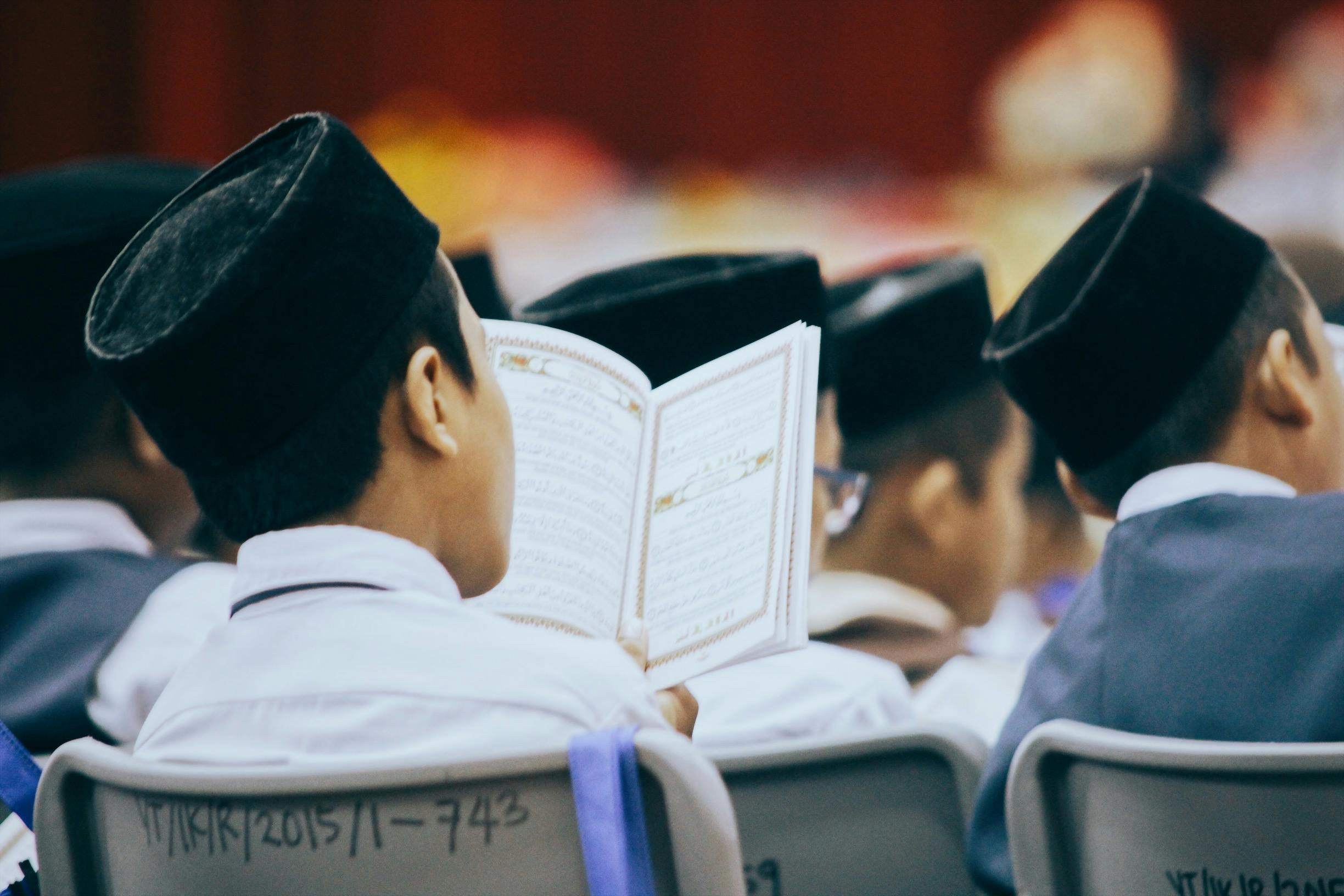
A Muslim is a person who follows the religion of Islam and submits to the will of Allah. The term itself comes from the same root as Islam, meaning “one who submits”. Being a Muslim is not limited to rituals; it encompasses belief, action, and intention. A Muslim strives to live a life that aligns with Islamic principles, values, and ethics.
Belief as the Foundation
At the heart of being a Muslim is faith (Iman). This includes belief in:
Allah– the one, unique, and incomparable God.
Angels – spiritual beings created by Allah to carry out His commands.
Prophets– messengers sent by Allah to guide humanity, with Prophet Muhammad ﷺ being the final prophet.
Holy Books – scriptures revealed by Allah, including the Quran.
Day of Judgment– the belief that everyone will be held accountable for their deeds.
Divine Decree (Qadar)– the understanding that all things, good or bad, happen by Allah’s will.
Practice in Daily Life
Being a Muslim goes beyond belief; it requires action and dedication. Muslims are expected to follow the Five Pillars of Islam (discussed in the previous section) and maintain ethical behavior in daily life. This includes honesty, compassion, patience, justice, and respect for others.
Cultural and Personal Expression
Muslims live in diverse cultures and societies around the world. While some cultural practices may vary, being a Muslim is defined by faith and adherence to Islamic teachings, not by ethnicity, language, or nationality. For example, a Muslim in Indonesia, Nigeria, or the United States may have different cultural customs, but their core religious identity as a follower of Islam remains the same.
"The best among you are those who have the best manners and character."
– Prophet Muhammad ﷺ
The Moral Responsibility of a Muslim
Being a Muslim also comes with a moral and spiritual responsibility. A Muslim is expected to seek knowledge, help those in need, uphold justice, and contribute positively to society. Islam encourages reflection, learning, and self-improvement, fostering both personal growth and social harmony.
This quote highlights that being a Muslim is not only about belief or ritual but about embodying good character, ethics, and kindness in every aspect of life.
3. Common Misconceptions About Muslims and Islam
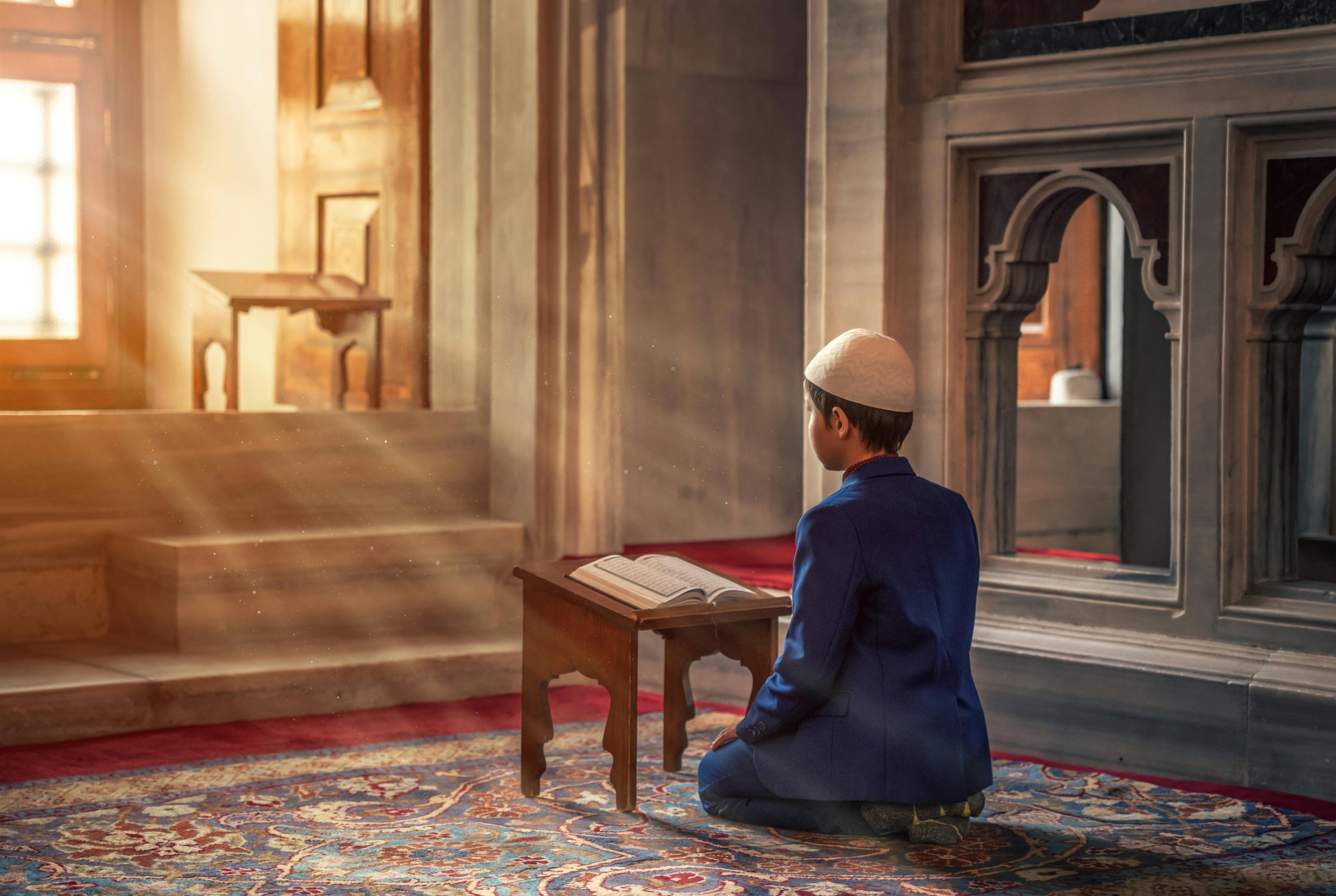
Misunderstandings about Islam and Muslims are widespread, often due to misinformation, lack of education, or cultural bias. These misconceptions can lead to stereotypes, prejudice, and even discrimination. Addressing these misconceptions respectfully is essential for promoting knowledge, tolerance, and harmony.
"Prejudice is a burden that confuses the past, threatens the future, and renders the present inaccessible."
– Maya Angelou
Misconception 1: Islam is Only About Rituals
Some people assume Islam is just a set of rituals, like prayer or fasting. While these practices are important, Islam is much more than ritualistic acts. It is a comprehensive way of life that guides moral behavior, social interactions, personal growth, and even economic conduct.
Misconception 2: All Muslims are the Same
The global Muslim population exceeds 1.9 billion, spanning diverse cultures, languages, and traditions. Being a Muslim does not imply a single cultural identity. Practices and interpretations may vary, but the core beliefs remain consistent.
Misconception 3: Islam Promotes Violence
Some negative media portrayals have unfairly associated Islam with violence. In reality, Islam strictly emphasizes peace, justice, and compassion. The Quran repeatedly encourages forgiveness, patience, and ethical treatment of others. Extremist actions by a few do not represent the religion as a whole.
Misconception 4: Muslim Women are Oppressed
While cultural practices in certain regions may limit women’s freedoms, Islam itself grants women rights in areas such as education, inheritance, and participation in society. Misrepresentation often comes from cultural norms rather than the religion itself.
Cultural vs. Religious Practices
It is crucial to distinguish between religious principles and cultural customs. Some practices observed by certain Muslim communities are cultural rather than religious. For example, wearing traditional garments may vary across countries, but the core Islamic requirement is modesty, which can be interpreted differently.
4. Islam as a Way of Life
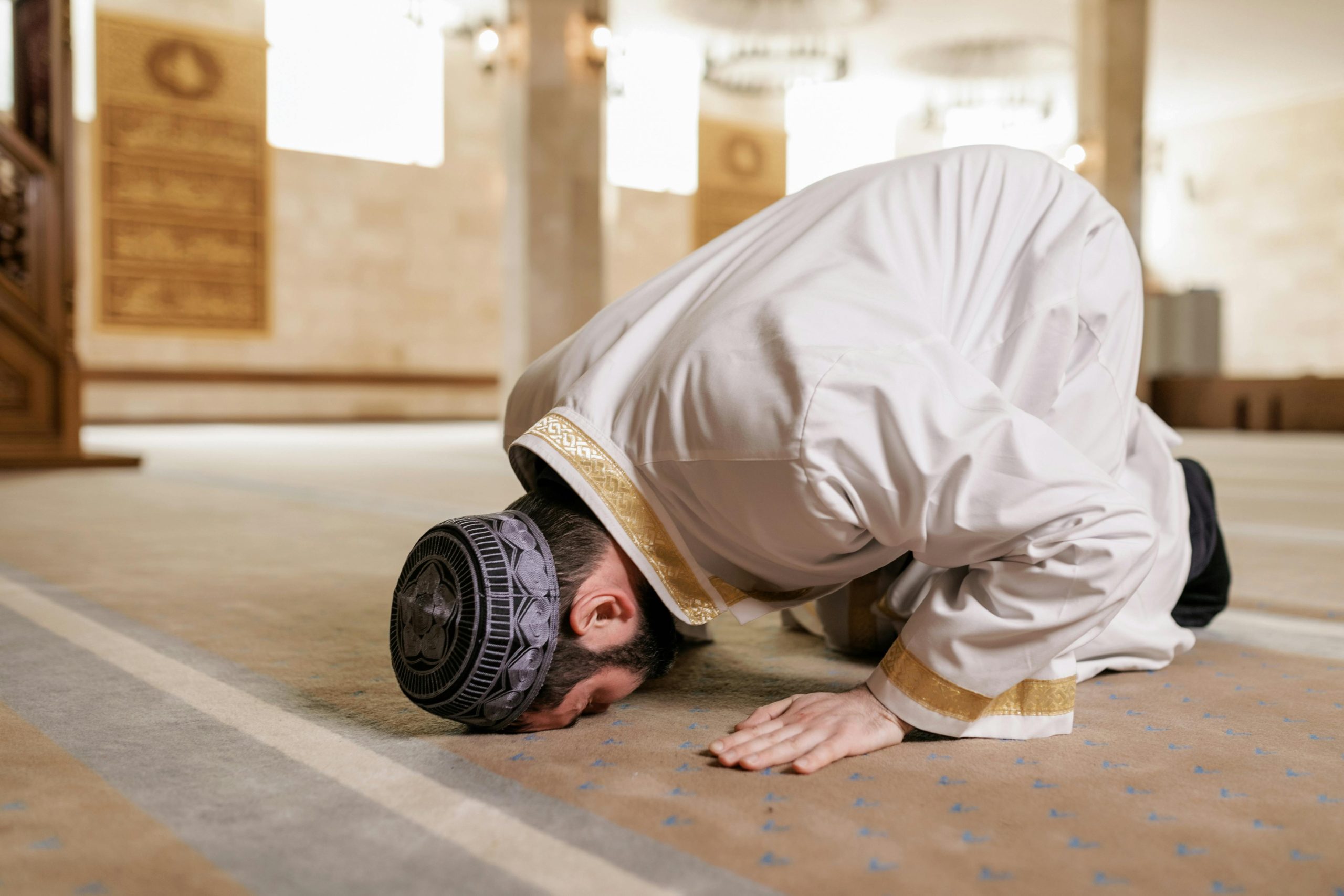
Islam is more than a set of beliefs or rituals—it is a comprehensive way of life that shapes how a Muslim thinks, acts, and interacts with others. Its teachings influence personal ethics, social responsibility, economic behavior, and spiritual growth.
Spiritual and Moral Guidance
At its core, Islam teaches that every action, intention, and thought matters. Muslims are encouraged to cultivate virtues such as honesty, patience, humility, compassion, and justice. Daily prayers, fasting, and reflection are not merely ritualistic; they are tools to strengthen moral character and maintain a constant awareness of Allah.
"Prejudice is a burden that confuses the past, threatens the future, and renders the present inaccessible."
– Maya Angelou
Social and Ethical Responsibilities
Islam emphasizes community and social harmony. A Muslim is encouraged to:
Help those in need, through charity (Zakat) and voluntary acts of kindness.
Uphold justice, fairness, and equality in social interactions.
Respect parents, neighbors, and society at large.
These principles are universal and demonstrate that Islam’s teachings extend beyond personal piety to ethical participation in society.
Economic and Environmental Guidance
Islam provides guidance on responsible economic behavior, discouraging exploitation, fraud, or unjust gain. Fair trade, honest work, and care for resources are emphasized. Similarly, Islam encourages stewardship of the Earth, highlighting sustainability and environmental responsibility as part of righteous living.
Balancing Faith and Daily Life
Being a practicing Muslim means integrating faith into every aspect of life—from family and work to social interactions and personal development. Islam does not demand isolation from the world; rather, it encourages active, responsible engagement with society while remaining grounded in spiritual values.
5. Muslim Identity Beyond Religion
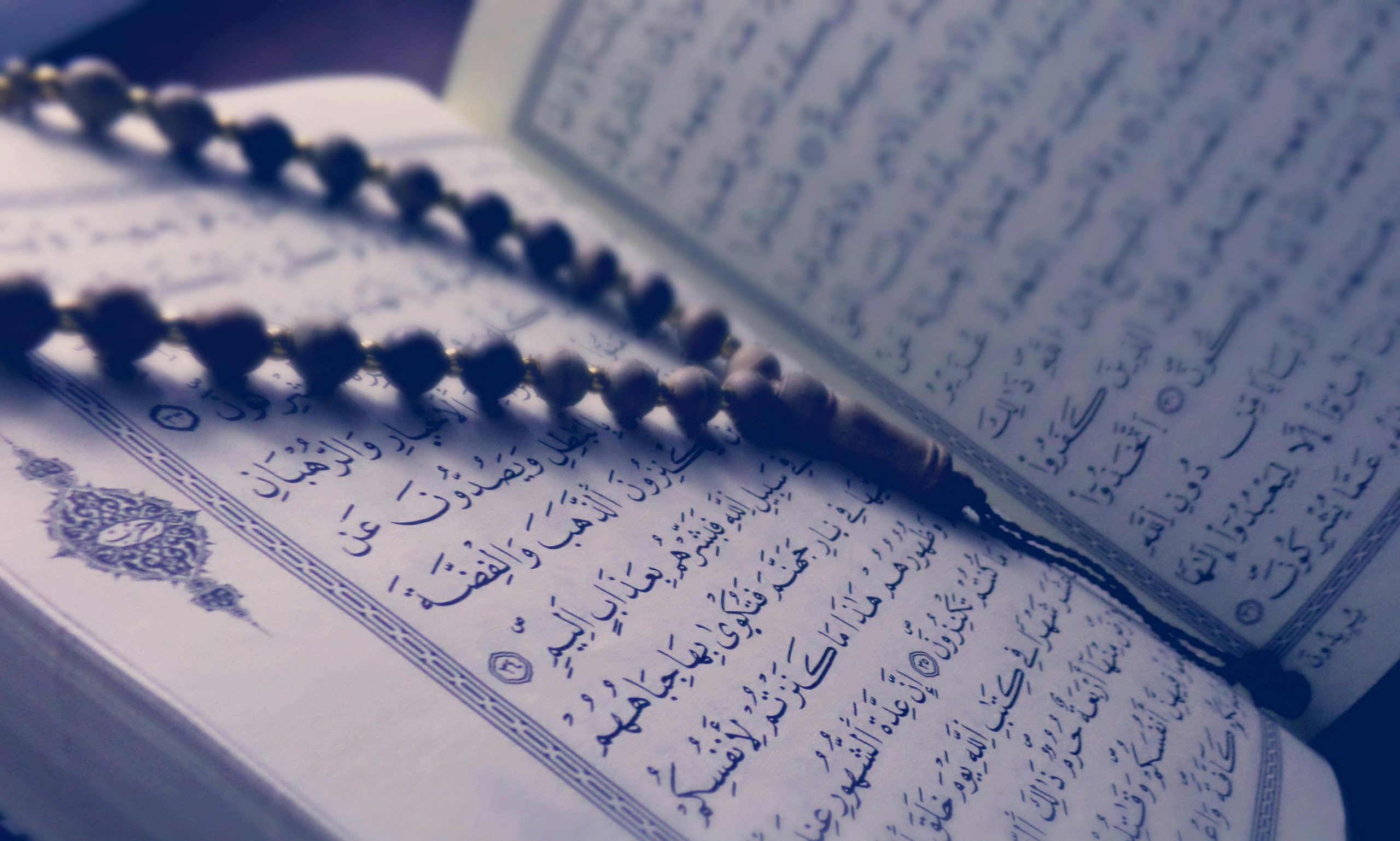
While being a Muslim is first and foremost a matter of faith, the identity of a Muslim is enriched by the teachings of Islam, which guide every aspect of life. Islam provides clarity, purpose, and a moral compass, shaping not only spiritual beliefs but also personal conduct, relationships, and social responsibility.
Islam Shapes Character and Ethics
A Muslim’s identity is inseparable from the principles of Islam. The religion emphasizes integrity, honesty, humility, and compassion, fostering individuals who contribute positively to their communities. By following the guidance of the Quran and the example of Prophet Muhammad ﷺ, Muslims cultivate virtues that are admired universally: patience in hardship, justice in judgment, and generosity toward others.
Unity Through Faith, Diversity Through Culture
Muslims live in diverse societies across the world. From Asia to Africa, Europe to the Americas, cultural practices differ, yet the unity of Islam binds them together. This demonstrates that Islam transcends ethnicity, language, and geography—it is a universal religion that unites people through shared belief, moral values, and devotion to Allah.
A Life of Purpose and Responsibility
Being a Muslim is not merely a label; it is a commitment to a higher purpose. Islam encourages personal accountability, self-discipline, and the pursuit of knowledge. Muslims are taught to respect life, value education, and work toward justice and peace, which strengthens both individual character and societal well-being.
Islam Promotes Positive Impact on Society
The teachings of Islam guide Muslims to be active contributors to society, fostering charitable acts, ethical business practices, and responsible citizenship. By following Islamic principles, Muslims strive to uplift humanity, protect the environment, and maintain harmony, reflecting the true beauty of the religion in action.
6. The Misuse of the Terms “Muslim” and “Islam”
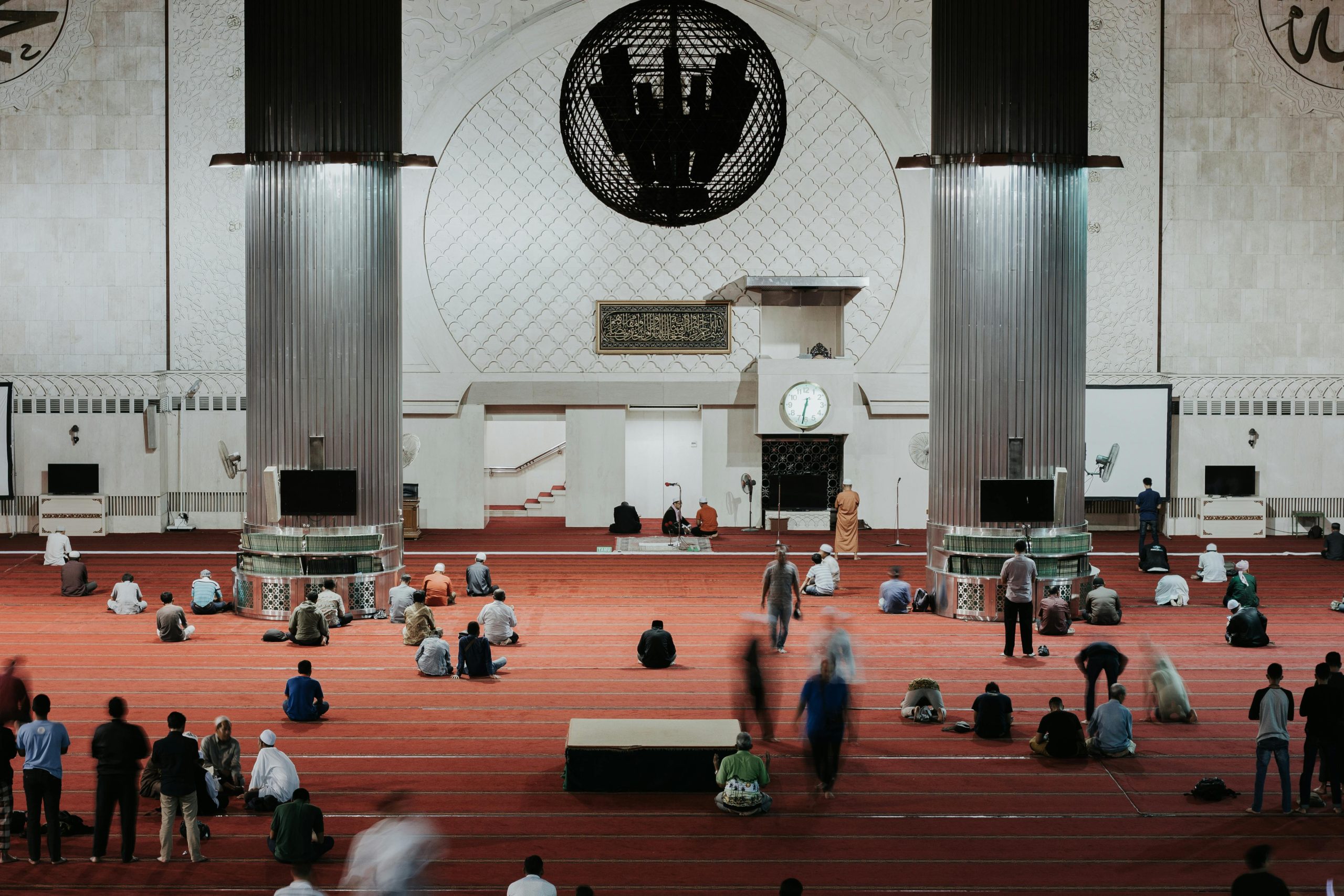
Unfortunately, misconceptions and misrepresentations often blur the true essence of Islam. Some people wrongly equate Islam with extremism or negative stereotypes, ignoring the core values of peace, justice, and compassion that define the religion. It is crucial to distinguish between the actions of a few individuals and the teachings of Islam, which guide over a billion followers toward righteousness and moral excellence.
Islam itself is a religion of mercy, tolerance, and ethical living. The Quran instructs:
“Whoever kills a soul unless for a soul or for corruption [done] in the land – it is as if he had slain mankind entirely. And whoever saves one – it is as if he had saved mankind entirely.”
(Quran 5:32)
This verse highlights Islam’s profound respect for life and justice, reinforcing that the religion cannot be judged by the misdeeds of a few.
Understanding Islam correctly requires education, empathy, and careful distinction between cultural actions, individuals’ mistakes, and the teachings of the faith itself.
7. Key Differences Summarized: Muslim vs Islam
To summarize clearly:
Islam is the religion, the divine guidance revealed by Allah, encompassing belief, worship, ethics, and law.
A Muslim is a follower of Islam, striving to live according to its principles and teachings.
While Islam provides the framework for righteous living, Muslims bring it to life through their faith, actions, and character. This distinction is crucial for understanding the religion correctly and fostering respect.
Quote: "Knowledge is of two kinds. We know a subject ourselves, or we know where we can find information on it."
– Samuel Johnson
By recognizing this distinction, one gains clarity, avoids misconceptions, and appreciates the beauty and wisdom of Islam.
8. Why Understanding Matters
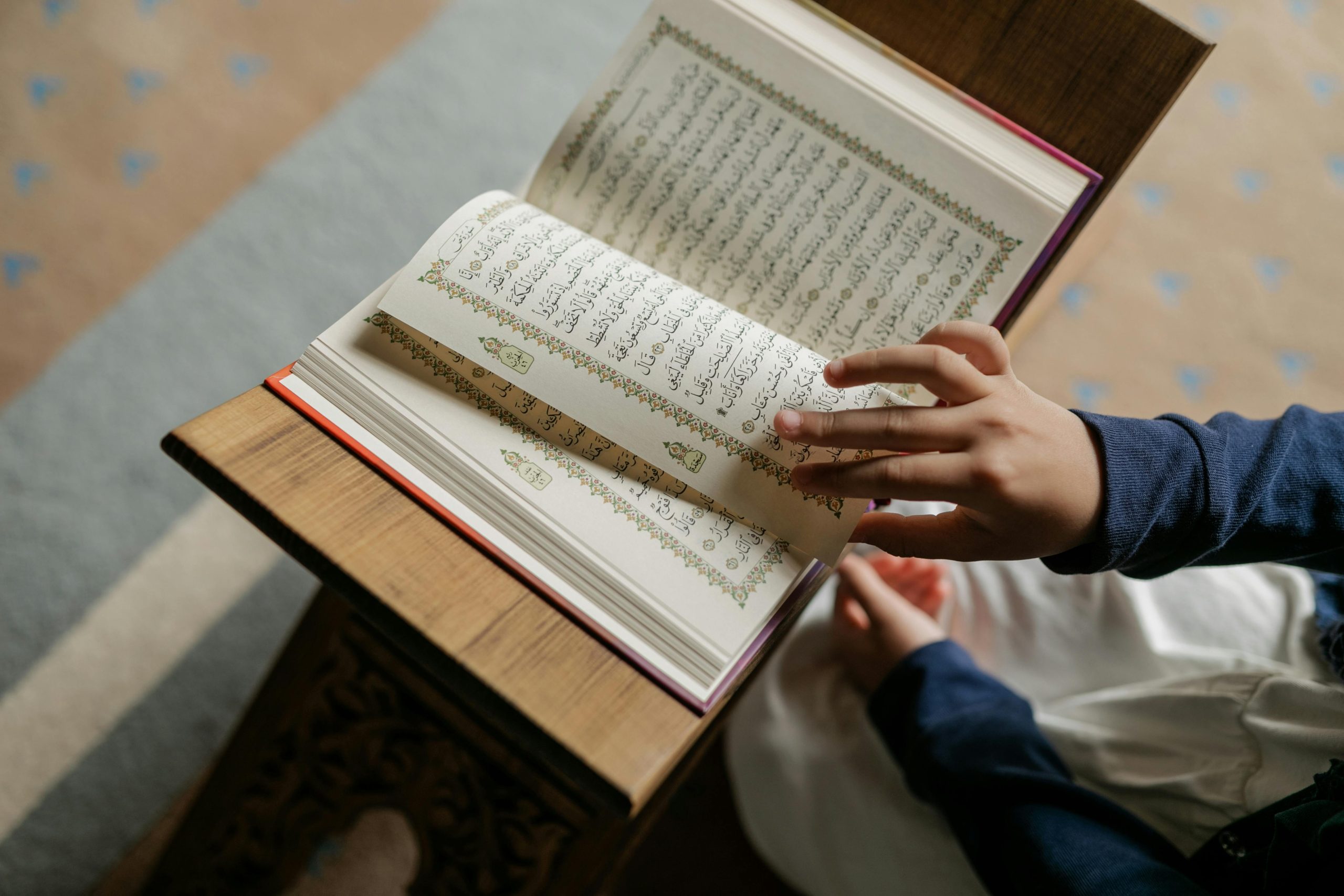
Understanding Islam and the identity of Muslims is essential in today’s global society. It:
Encourages respectful dialogue between cultures and religions.
Reduces prejudice and stereotyping.
Highlights the universal values of Islam, including compassion, justice, and ethical living.
Islam is not just a belief system; it is a comprehensive guide to life, offering solutions for personal, social, and moral challenges. By studying Islam and the role of Muslims respectfully, one can see the enlightening and harmonious path it provides for humanity.
Quote: "Peace cannot be kept by force; it can only be achieved by understanding." – Albert Einstein
Conclusion
In conclusion, the distinction between Muslim and Islam is fundamental to understanding the faith accurately. Islam is the religion, a complete guide to life, and a source of ethical, moral, and spiritual wisdom. A Muslim is a follower, embodying the teachings of Islam in daily life through faith, character, and action.
"Seek knowledge from the cradle to the grave."
– Prophet Muhammad ﷺ
By learning about Islam and Muslims in a respectful and informed way, we can foster tolerance, harmony, and mutual respect in society. The teachings of Islam inspire individuals to be just, compassionate, and responsible, reflecting the true essence of the faith.

0 comments