

In boardrooms, classrooms, and communities, a pressing question echoes: why is DEI important?
Diversity, Equity, and Inclusion (DEI) has become a defining theme of modern organizations. For some, it feels like a corporate buzzword, a line in annual reports, or a checkbox for compliance. For others, it represents something far deeper: a chance to dismantle systemic barriers, reimagine culture, and create workplaces—and societies—that reflect fairness and humanity.
"True peace is not merely the absence of tension; it is the presence of justice."
— Martin Luther King Jr.
But here’s the truth: DEI is not a trend. It is a long-overdue shift in how we design systems, treat people, and measure success. The conversation about DEI is not just about filling quotas or avoiding lawsuits; it’s about shaping the future with strategy and heart.
This article will explore why DEI is important through history, business logic, human impact, and actionable strategies. It will weave together quotes, case studies, figures, and practical guidance to create a resource as comprehensive as it is humanized.
By the end, one answer will become clear: DEI is not optional—it is essential.
Defining DEI Clearly
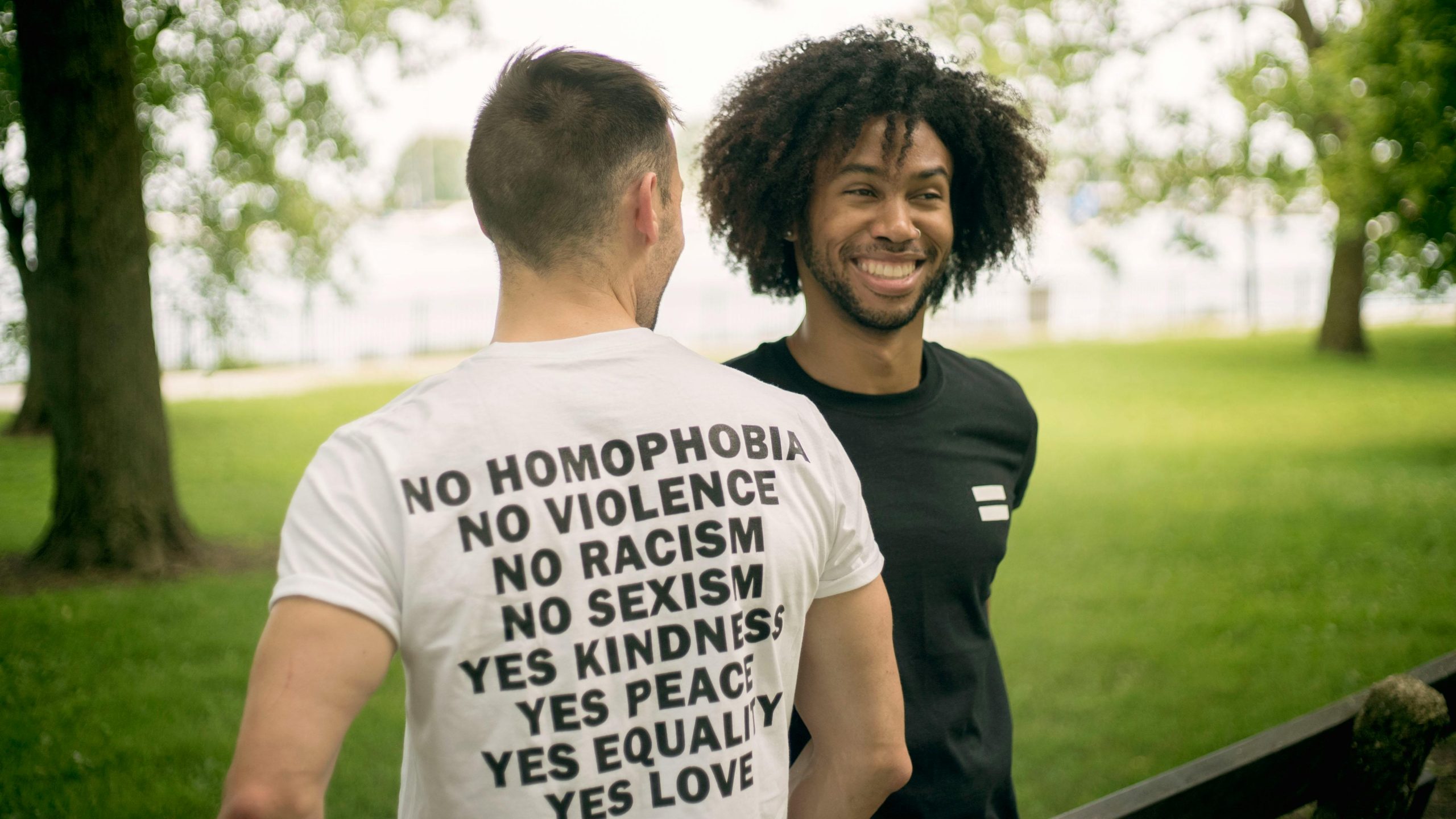
Before we can meaningfully answer why is DEI important, clarity matters.
Diversity: the variety of identities, backgrounds, and perspectives in a space. This includes race, ethnicity, gender, age, ability, religion, socio-economic status, sexual orientation, and education.
Equity: fairness in processes, resources, and outcomes. Unlike equality (where everyone receives the same), equity ensures people get what they need to succeed, recognizing historic and structural disadvantages.
Inclusion: creating environments where everyone feels welcomed, valued, respected, and able to contribute fully.
A common misconception is that DEI favors identity over merit. In reality, DEI removes invisible barriers that prevent merit from being recognized in the first place.
For example, blind recruitment studies show that identical résumés with different names (e.g., “Emily” vs. “Lakisha”) receive vastly different response rates. This isn’t about merit—it’s about bias. DEI initiatives aim to correct these inequities so talent can truly shine.
Historical Roots of DEI: A Long Road to Now
DEI didn’t appear overnight. It is built on decades of struggle:
"The arc of the moral universe is long, but it bends toward justice."
— Martin Luther King Jr.
- Civil Rights Movement (1960s, USA): Legal victories outlawed segregation and discrimination but did not erase structural inequities.
- Women’s Rights Movements (20th century): From voting rights to workplace equality, women fought to break glass ceilings.
- Labor Rights & Disability Advocacy: Movements pushed for safe workplaces, fair wages, and accessibility laws.
- Global Human Rights Frameworks: The Universal Declaration of Human Rights (1948) and the UN’s Sustainable Development Goals (2015) reinforced global commitments to inclusion and equality.
Today, DEI builds on these legacies. It is less about singular battles and more about systemic design—changing how workplaces recruit, promote, and treat people.
The Power of Diversity
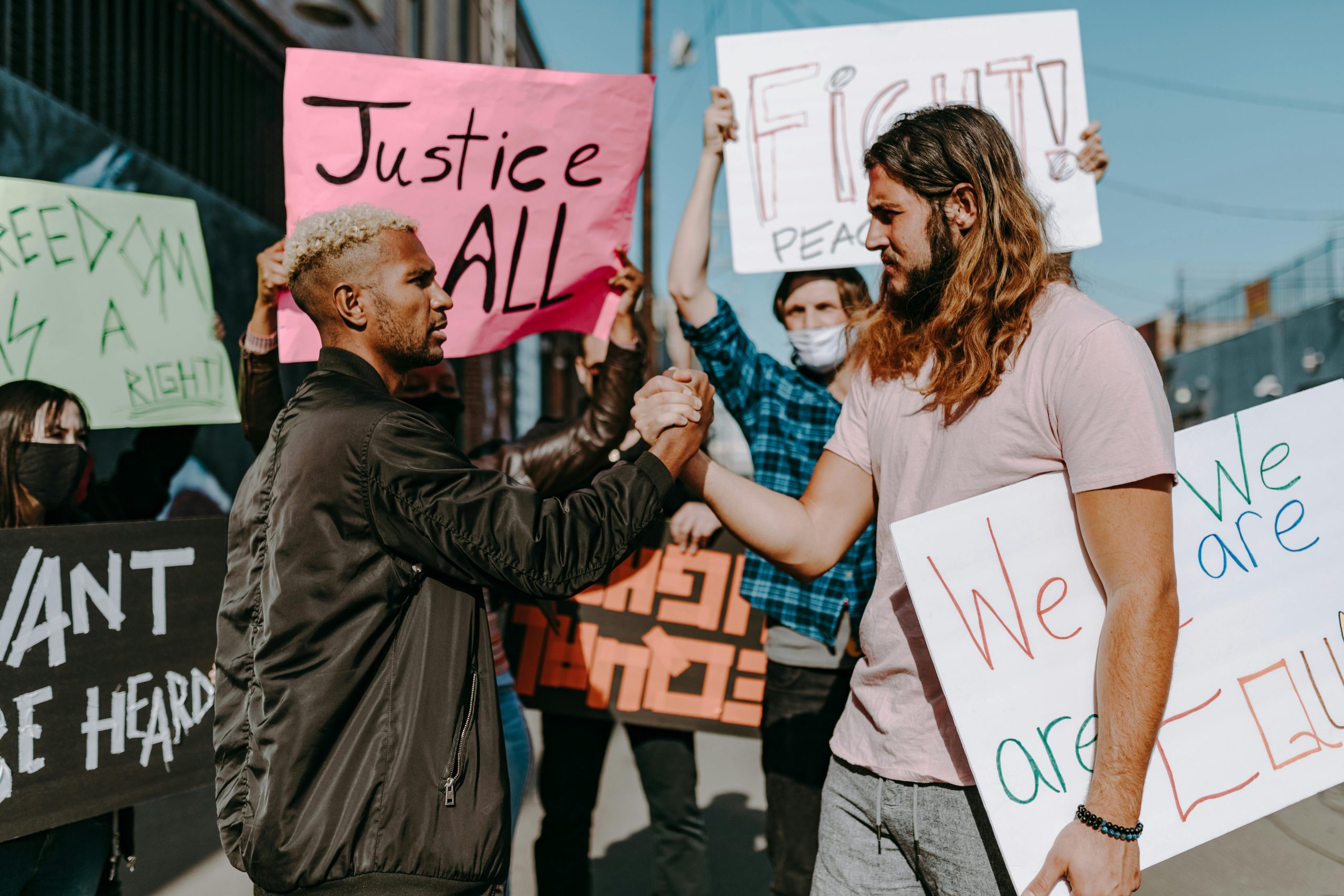
A simple answer to why is DEI important is this: diverse teams perform better.
Cognitive diversity fuels problem-solving. Teams with varied perspectives avoid groupthink and generate more creative solutions.
Innovation thrives in diverse environments. A Boston Consulting Group study found that companies with above-average diversity scores reported 19% higher innovation revenues.
Global understanding improves. A team of only Western perspectives may design a product blind to Asian or African cultural needs.
"Equity is the soul of justice."
— Thurgood Marshall
Case Study – Google Translate: Originally, Google Translate reinforced gender stereotypes (“doctor” = he, “nurse” = she). After criticism, Google revised the tool to reflect gender-neutral translations. A more diverse development team might have anticipated this bias earlier.
But diversity without equity and inclusion is fragile. Representation without belonging often leads to turnover. This is why equity and inclusion must complete the DEI puzzle.
Why Equity Matters Beyond Equality
Equality gives everyone the same shoes. Equity ensures the shoes fit.
Consider two employees: one who studied at elite universities and another who faced financial struggles but has equal talent. Equality treats them identically; equity recognizes their different starting points and invests differently to ensure both can succeed.
"Diversity is being invited to the party; inclusion is being asked to dance."
— Vernā Myers
Practical Equity Examples:
- Conducting pay equity audits to close wage gaps.
- Providing assistive technologies for employees with disabilities.
- Offering flexible schedules for working parents.
Without equity, diversity becomes symbolic. Equity ensures diversity translates into opportunity.
The Human Side of Inclusion
Diversity is numbers. Inclusion is feelings.
An inclusive culture means:
Employees feel safe speaking up.
Leadership actively values and listens to marginalized voices.
Teams celebrate—not just tolerate—differences.
"Innovation distinguishes between a leader and a follower."
— Steve Jobs
Psychological safety is central. Research by Google’s Project Aristotle revealed that psychological safety was the #1 factor in high-performing teams.
Without inclusion, diverse hires leave. Inclusion is what keeps people, strengthens trust, and fuels engagement.
DEI as a Driver of Innovation

Innovation does not happen in echo chambers.
Product design: Apple faced backlash when its early health app excluded menstrual tracking. A more gender-diverse design team could have prevented this oversight.
Marketing: Pepsi’s infamous Kendall Jenner ad trivialized protests; diverse voices might have stopped it before release.
Strategy: Diverse leadership sees risks others overlook—crucial in a globalized world.
"Culture eats strategy for breakfast."
— Peter Drucker
Thus, DEI is not just ethical—it’s strategic. It safeguards creativity, prevents missteps, and opens new markets.
DEI and Organizational Culture
Strategy dies in cultures that resist change. DEI redefines workplace culture by embedding fairness and empathy into daily behavior.
Recruitment shifts from “culture fit” to “culture add.”
Performance reviews value mentorship and inclusive leadership.
Meetings ensure every voice is heard—not just the loudest.
Organizations with inclusive cultures are more resilient, adaptable, and trusted.
Figure 1: 7 Key Benefits of DEI in the Workplace
Stronger Innovation & Creativity
Improved Employee Engagement
Higher Productivity & Performance
Better Talent Attraction
Increased Retention & Loyalty
Enhanced Brand Reputation
Legal & Ethical Alignment
"Do the right thing. It will gratify some people and astonish the rest."
— Mark Twain
The Ethical and Moral Imperative of DEI
Beyond profits, why is DEI important has a simple moral answer: it is the right thing to do.
When organizations adopt DEI, they affirm human dignity and fairness. They resist dehumanizing systems that reduce people to profit margins. They create spaces where all can flourish.
This is not charity—it’s justice. And justice is good for business, good for community, and good for humanity.
The Business Case for DEI
ROI of DEI:
Inclusive companies are 2.3x more cash-flow positive (Deloitte).
Diverse executive teams outperform peers by 36% in profitability (McKinsey).
67% of job seekers consider DEI when evaluating employers (Glassdoor).
Metrics include: representation, pay equity, retention rates, promotion pipelines, and employee satisfaction surveys.
Measuring DEI moves it from aspiration to accountability.
Global DEI: Contexts Around the World

"The world is before you, and you need not take it or leave it as it was when you came in." — James Baldwin
United States: DEI focuses heavily on race, gender, and systemic inequities.
Europe:Age, immigrant status, and disability play larger roles.
Asia:Hierarchies and cultural traditions shape DEI differently.
Africa: DEI intersects with post-colonial challenges and youth employment.
Global organizations must adapt DEI strategies to cultural contexts while maintaining universal principles of fairness.
DEI and Social Responsibility
Organizations don’t exist in isolation. They shape—and are shaped by—society.
Examples:
Supplier diversity programs supporting minority-owned businesses.
Community partnerships expanding access to education.
Products designed for accessibility, serving overlooked populations.
When businesses embrace DEI as social responsibility, they build stronger communities and stronger brands.
Figure 2: DEI & the 8 SDGs (Sustainable Development Goals)
No Poverty – equitable wages.
Quality Education – inclusive learning.
Gender Equality – breaking barriers.
Decent Work & Economic Growth – fair opportunities.
Reduced Inequalities – systemic fairness.
Sustainable Cities & Communities – inclusive planning.
Peace, Justice & Strong Institutions – accountability.
Partnerships for the Goals – global collaboration.
"The time is always right to do what is right."
— Martin Luther King Jr.
DEI is not just organizational—it’s global progress.
Challenges & Backlash
DEI faces resistance:
- Claims of “reverse discrimination.”
- Political movements aiming to ban DEI programs.
- Organizational fatigue when results aren’t immediate.
Solutions:
- Transparency in goals and progress.
- Pair commitments with resources.
- Acknowledge mistakes and iterate.
Backlash is inevitable, but silence is riskier.
"We rise by lifting others." — Robert Ingersoll
Practical Steps for Organizations

Leadership accountability (KPIs tied to DEI).
Data-driven baselines.
Policy redesign to remove bias.
Targeted mentorship & sponsorship.
Purposeful training.
Employee resource groups (ERGs).
Supplier diversity.
Transparent reporting.
The Future of DEI
AI & Automation: Risks of algorithmic bias demand ethical oversight.
Globalization: Workforce mobility increases cultural intersections.
Gen Z & Millennials: Younger generations expect DEI as a standard, not a bonus.
The future of DEI is not compliance—it’s transformation.
Conclusion
So, why is DEI important? The answer is multi-layered. Diversity, Equity, and Inclusion are not abstract ideals—they are the lifeblood of thriving organizations and resilient communities. DEI drives innovation by bringing together people with different perspectives, experiences, and ideas. When diverse voices are heard and valued, solutions are richer, creativity flourishes, and organizations are better equipped to solve complex problems.
“Injustice anywhere is a threat to justice everywhere.”
— Martin Luther King Jr.
At the same time, DEI advances equity and upholds justice. It challenges historical inequalities, systemic barriers, and unconscious biases that have limited opportunity for generations. By intentionally designing policies, practices, and programs that promote fairness, organizations can actively contribute to a more just society. DEI honors history while preparing us for the future, reminding us that progress requires both reflection and action.
DEI is not about being politically correct or following a trend. It is about being profoundly human, about recognizing the dignity, value, and potential of every individual. It is about shaping workplaces and communities where everyone can thrive, contribute, and belong. In short, DEI is not just important—it is essential, both ethically and strategically.
0 comments