

Every year, over a billion Muslims around the world prepare for the holy month of Ramadan, a time of fasting, prayer, reflection, and community. As the crescent moon is sighted, signaling the start of Ramadan, you may hear and see people exchanging the heartfelt greeting: “Ramadan Mubarak.”
But what does this phrase really mean? Why do Muslims say it during Ramadan, and what feelings and history does it carry?
In this blog, we will dive deep into the Ramadan Mubarak meaning, explore why it’s used, its spiritual significance, cultural nuances, and how you can use it appropriately — even if you’re not Muslim.
What Does “Ramadan Mubarak” Mean?
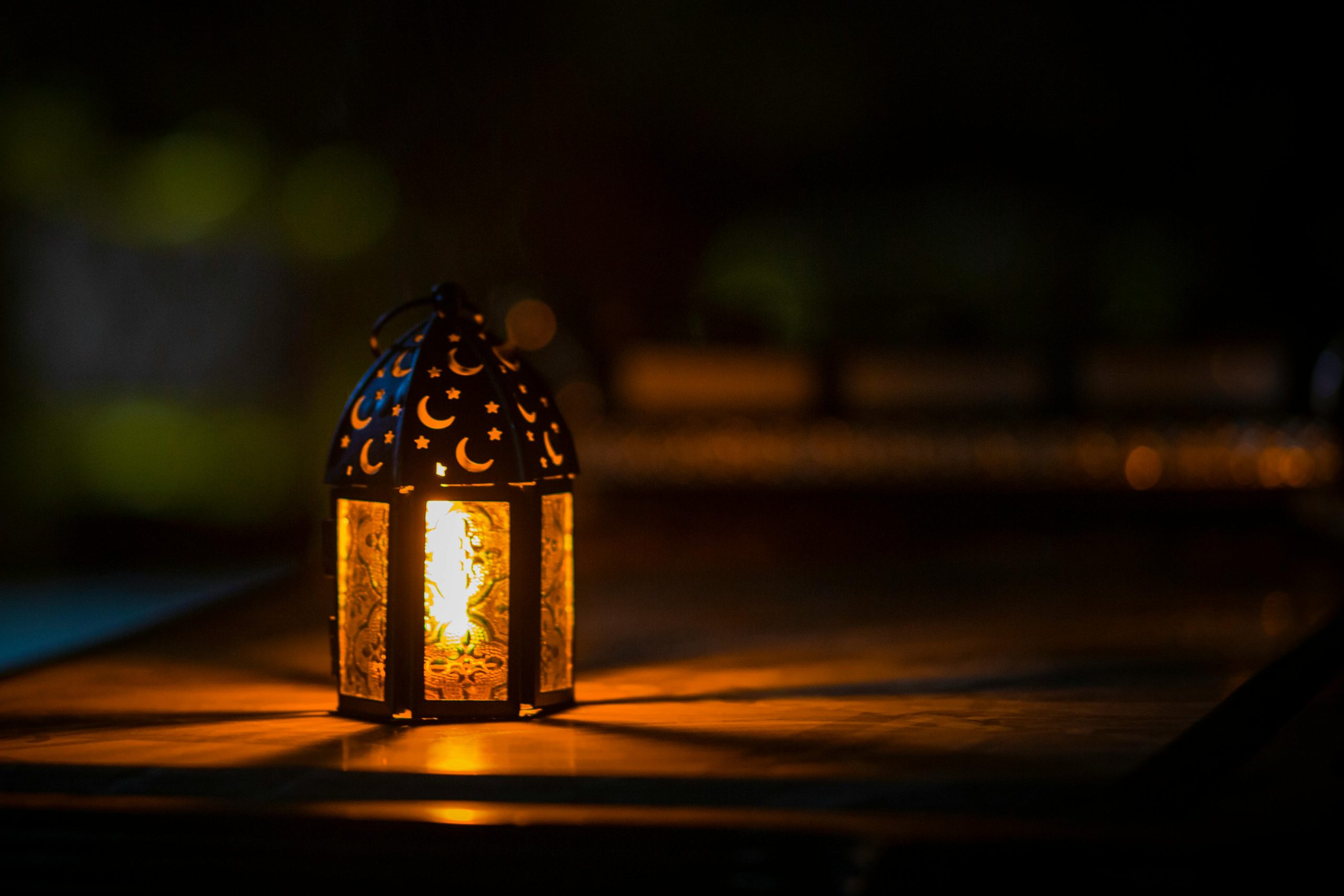
At its core, the Ramadan Mubarak meaning can be translated as “Blessed Ramadan.”
Ramadan refers to the ninth month of the Islamic lunar calendar, which is considered the holiest month because it’s when the first verses of the Quran were revealed to the Prophet Muhammad (peace be upon him).
Mubarak is an Arabic word meaning blessed or happy.
So when someone says Ramadan Mubarak, they are wishing you a blessed, joyful, and fruitful Ramadan. It is a way to spread goodwill, positivity, and prayerful wishes as everyone embarks on this spiritually significant journey.
“Diversity is not about how we differ. Diversity is about embracing one another’s uniqueness.”
— Ola Joseph
Sharing greetings like “Ramadan Mubarak” is more than just a tradition — it’s a beautiful gesture of inclusivity and respect. In multicultural workplaces, schools, and communities, acknowledging such greetings fosters a culture of mutual respect and celebration.
That’s why platforms like DiversityCalendar play a vital role. By recognizing and promoting cultural and religious observances like Ramadan, they help organizations create more inclusive and compassionate environments. Whether you're a manager looking to foster empathy at work or an educator hoping to teach respect through awareness, including Ramadan in your diversity calendar is a simple yet powerful step.
So the next time someone says “Ramadan Mubarak,” smile and say it back — even if you're not Muslim. It’s a small act of kindness that bridges worlds, builds community, and honors the beauty of human diversity.
Why Do Muslims Say “Ramadan Mubarak” During Ramadan?
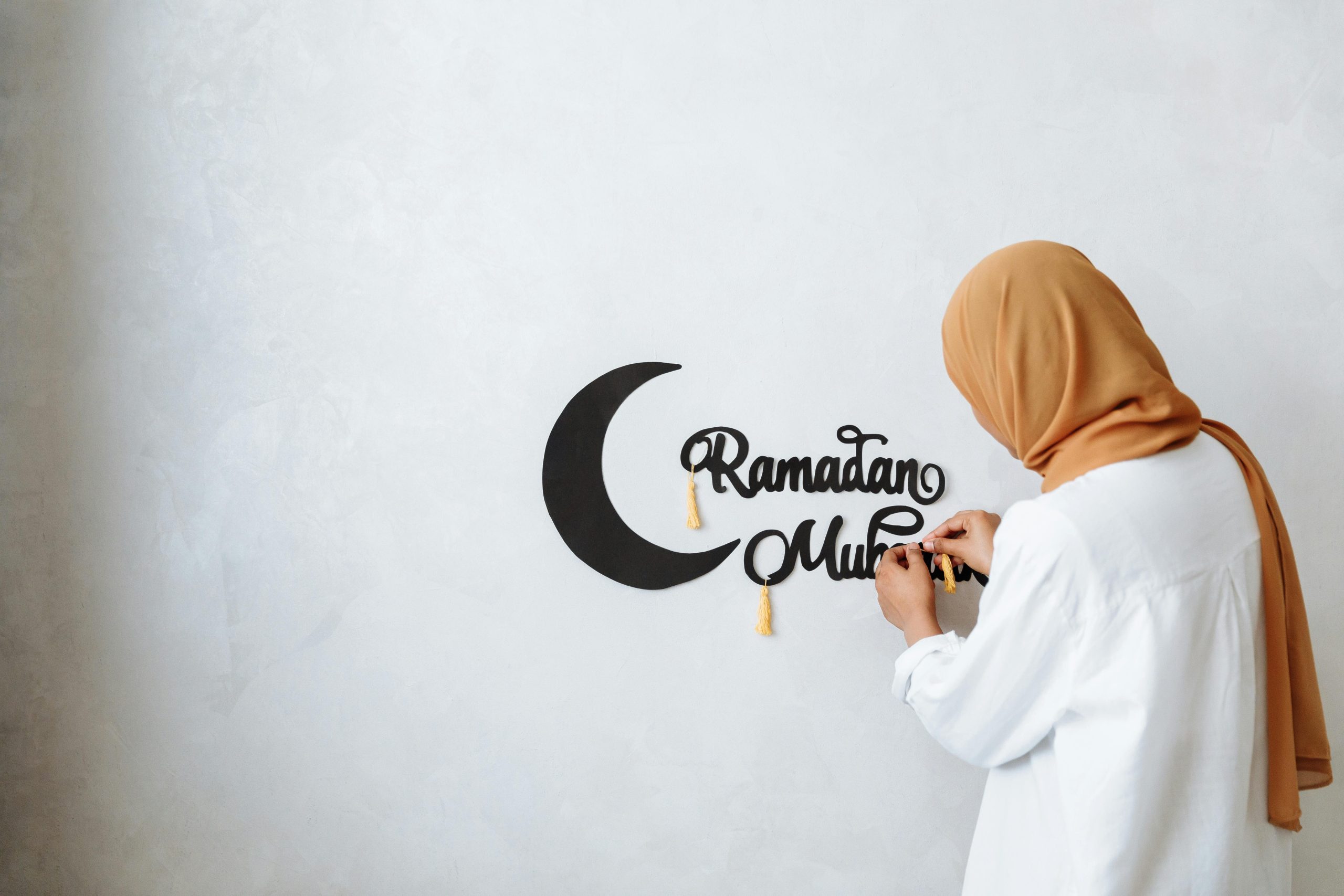
The Ramadan Mubarak meaning goes beyond just words — it embodies the spirit of Ramadan itself.
Here are a few reasons Muslims exchange this greeting:
To Celebrate the Arrival of Ramadan
Ramadan is one of the most cherished times of the year for Muslims. After anticipating its arrival, they express their joy and gratitude with greetings like “Ramadan Mubarak” to friends, family, and even strangers.
To Encourage and Support Each Other
Fasting from dawn to sunset for 29 or 30 days is not easy. By saying Ramadan Mubarak, Muslims remind each other of the blessings and rewards waiting for them, offering support and motivation to keep going.
“Ramadan is not just about fasting. It’s about feeding the hungry, helping the needy, guarding your tongue, and purifying your heart.”
— Anonymous
To Share the Blessings
Ramadan is not just about personal worship — it’s also about kindness, generosity, and community. Saying Ramadan Mubarak is one way of sharing the spiritual wealth of the month.
To Uphold Tradition
For centuries, Muslims have greeted each other during Ramadan with heartfelt wishes. This greeting preserves a beautiful tradition passed down through generations.
How Often Do Muslims Say “Ramadan Mubarak”?
Typically, Muslims exchange Ramadan Mubarak at the beginning of the month, when it is first announced or sighted. But it’s also common to say it whenever meeting someone during the month, especially if it’s your first time seeing them since Ramadan began.
Some people also prefer to say “Ramadan Kareem”, which roughly translates to “Generous Ramadan.” Both are correct, though Ramadan Mubarak emphasizes blessings, while Ramadan Kareem focuses on generosity.
The Spiritual Significance of “Ramadan Mubarak”
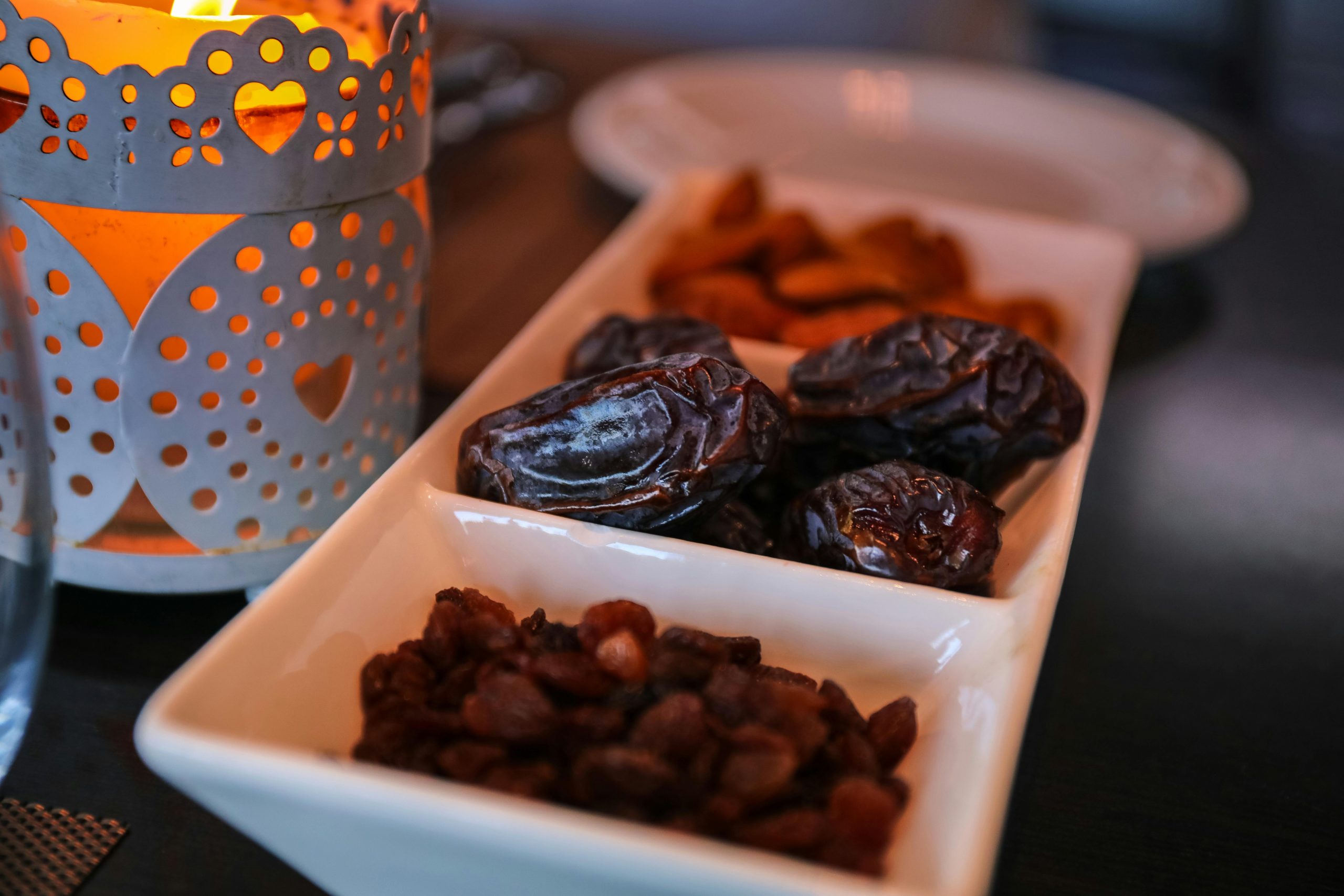
The Ramadan Mubarak meaning is deeply spiritual. Ramadan itself is a time when Muslims seek to:
Cleanse their souls.
Strengthen their relationship with God.
Practice self-discipline.
Engage in acts of charity.
Forgive others and seek forgiveness.
Saying Ramadan Mubarak aligns with this spirit, as it’s a prayerful wish for someone else’s Ramadan to be full of blessings and spiritual success. It’s not just a greeting — it’s almost like a short prayer.
Cultural Variations of Ramadan Greetings
Although Ramadan Mubarak is widely used across the Muslim world, different regions and cultures have unique ways of conveying similar sentiments.
Here are a few examples:
Region | Greeting | Meaning |
|---|---|---|
Middle East | Ramadan Mubarak / Ramadan Kareem | Blessed / Generous Ramadan |
Turkey | Hayırlı Ramazanlar | Have a blessed Ramadan |
Indonesia & Malaysia | Selamat Menunaikan Ibadah Puasa | Happy fasting |
Iran | Ramazan Mobarak | Blessed Ramadan |
South Asia | Ramadan Mubarak | Blessed Ramadan |
This diversity in expressions adds to the beauty of the Muslim ummah (community) and shows how the same sentiment of wishing well during Ramadan transcends languages and borders.
How to Respond to “Ramadan Mubarak”?
If someone greets you with Ramadan Mubarak, the best and most respectful way to respond is to say it back warmly. A simple “Ramadan Mubarak” in return is always appreciated. In South Asian communities, a common response is “Khair Mubarak,” which means “Blessings to you too.” You can also respond with a friendly, “Thank you, Ramadan Mubarak to you as well!” — especially if you're unfamiliar with the phrase but want to show kindness and respect.
Even if you're not Muslim, returning the greeting is a meaningful way to acknowledge someone else's faith and tradition. It demonstrates awareness, empathy, and an openness to celebrating the beliefs of others — qualities that are increasingly important in our global, multicultural world.
“Peace is not unity in similarity but unity in diversity, in the comparison and conciliation of differences.”
— Mikhail Gorbachev
In diverse workplaces, classrooms, and communities, small gestures like responding to Ramadan Mubarak with sincerity can strengthen relationships and foster inclusion. When people feel seen and respected, they’re more likely to thrive. Tools like DiversityCalendar.org can help individuals and organizations stay informed about religious and cultural observances throughout the year — making it easier to engage in thoughtful, inclusive dialogue every day, not just during Ramadan.
Being mindful of greetings, celebrations, and traditions like these is more than just polite — it's a quiet but powerful way to promote unity in diversity.
Why Non-Muslims Can Also Say “Ramadan Mubarak”
One common question people have is whether it’s appropriate for non-Muslims to say Ramadan Mubarak.
The answer is: Absolutely!
If you have Muslim friends, coworkers, or neighbors, greeting them with Ramadan Mubarak shows respect, inclusivity, and awareness of their faith. It’s similar to wishing someone “Merry Christmas” or “Happy Diwali.”
Just remember to say it sincerely — it will likely be warmly received.
Ramadan Mubarak Meaning Beyond Words: Acts of Kindness
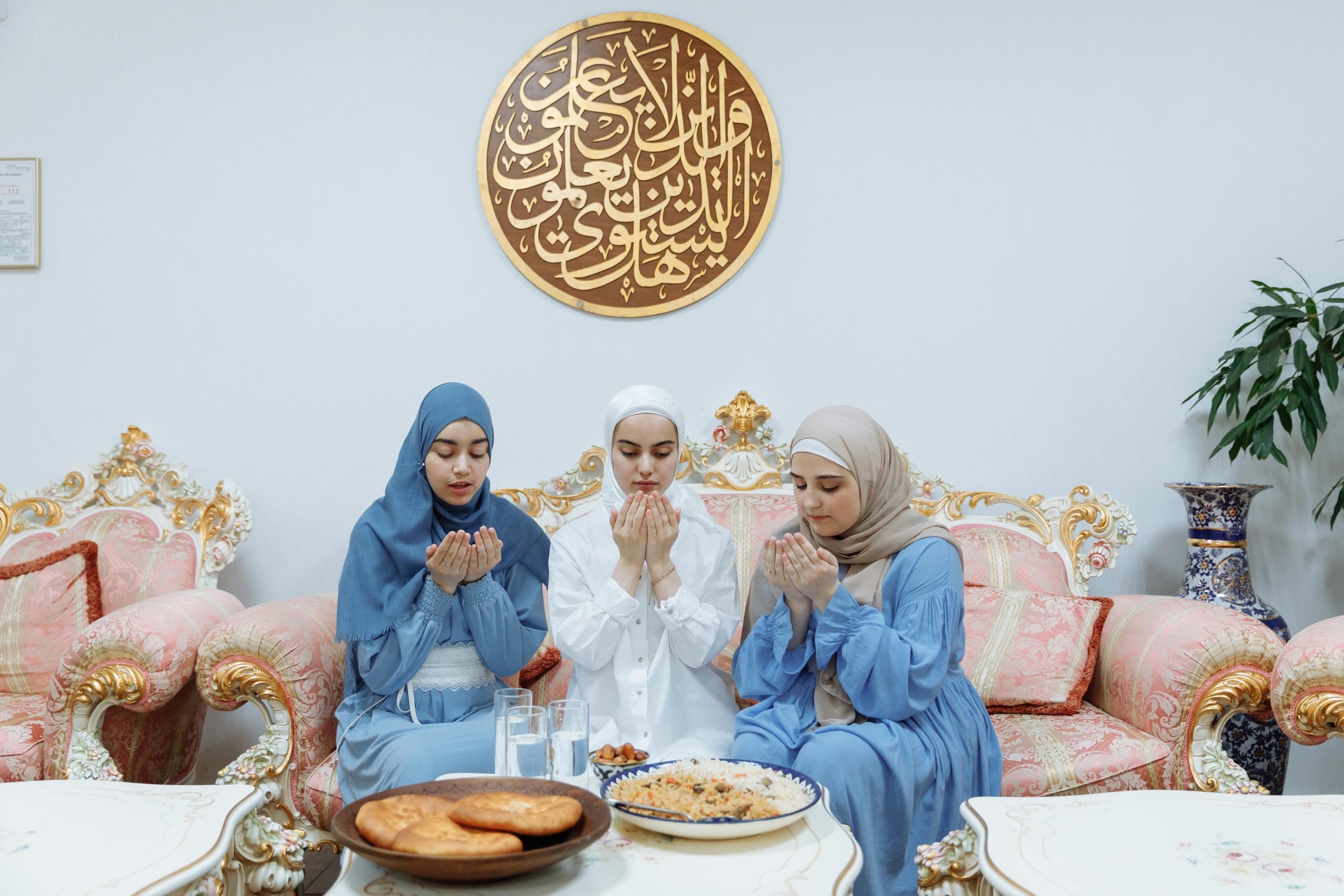
While the words Ramadan Mubarak carry blessings, the true spirit of the greeting is reflected in actions. Muslims are encouraged to:
“The value of life is not in its duration, but in its donation. You are not important because of how long you live, but because of how effectively you live.”
— Myles Munroe
Donate to the poor and needy.
Volunteer for community service.
Help those struggling with fasting.
Share meals with family, friends, and neighbors.
These acts bring the Ramadan Mubarak meaning to life — making the month truly blessed for everyone.
Common Misconceptions About “Ramadan Mubarak”
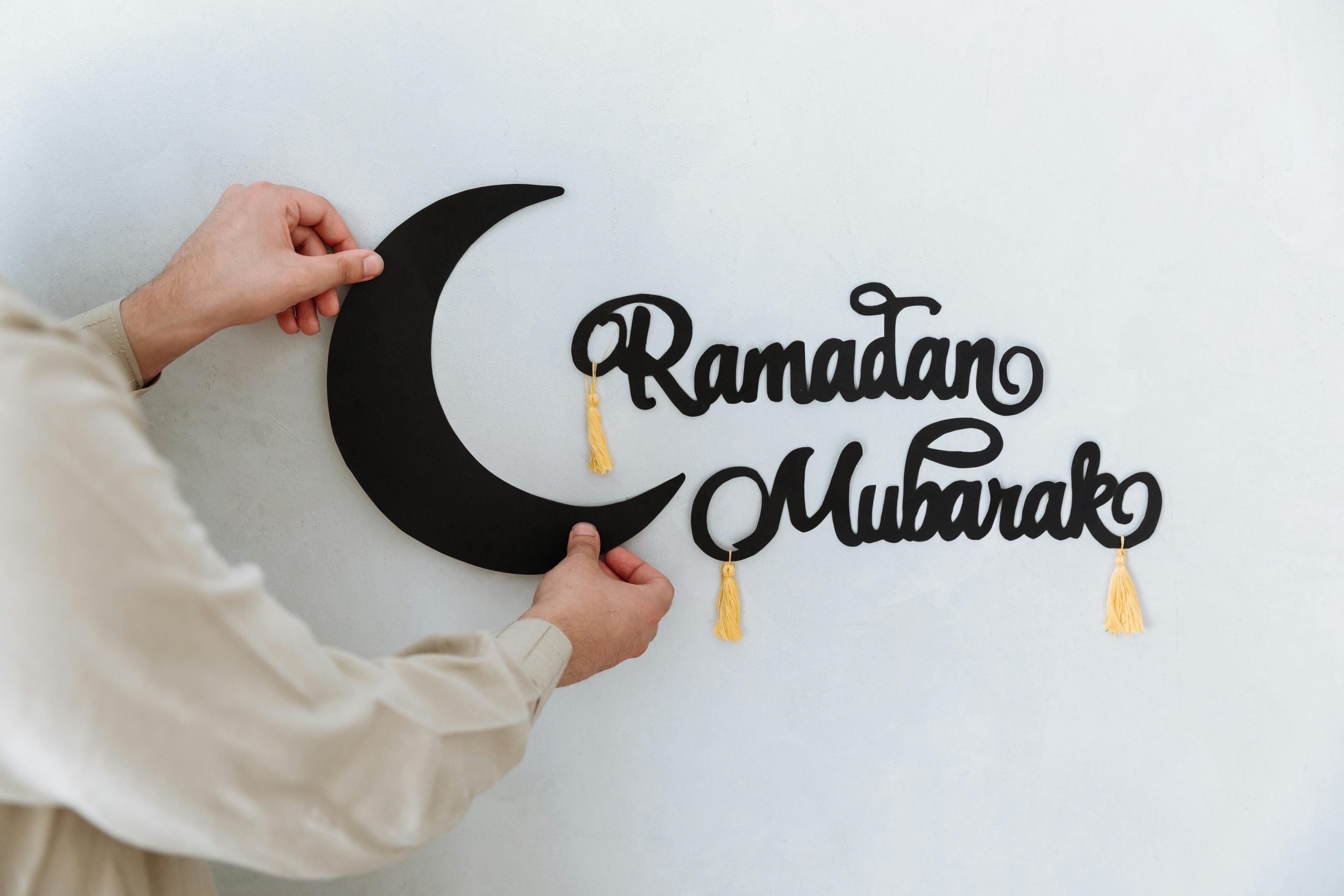
It’s Only for the First Day
While many say it on the first day of Ramadan, you can greet someone with Ramadan Mubarak at any point during the month.
Only Muslims Can Say It
As mentioned earlier, anyone can say Ramadan Mubarak to express goodwill and respect.
“Understanding is the first step to acceptance, and only with acceptance can there be peace.”
— J.K. Rowling
It’s the Same as “Eid Mubarak”
Although they sound similar, Eid Mubarak is said at the end of Ramadan to mark the festival of Eid al-Fitr, while Ramadan Mubarak is said during Ramadan.
Tips for Using “Ramadan Mubarak” Respectfully
Do say it sincerely and with a smile
A genuine greeting can leave a lasting impact. When you say Ramadan Mubarak, let it come from a place of respect and warmth. Whether it's a friend, neighbor, colleague, or someone you just met, sincerity matters. A kind tone and a smile show that you value the occasion and the person you're speaking to.
Do send it in a card, message, or say it in person
There is no one correct way to offer the greeting. It can be spoken face-to-face, included in a thoughtful text, email, or shared in a handwritten note. Even a short, well-timed message can make someone feel recognized and appreciated during the holy month.
Do learn the correct pronunciation if possible
Taking the time to pronounce it correctly—Rah-ma-dahn Moo-bar-ak—shows respect for the culture and the language. You don’t have to be perfect, but making the effort demonstrates thoughtfulness and adds depth to your greeting.
Don’t make jokes about fasting or the greeting
Ramadan is a sacred time for reflection, worship, and community. While friendly conversations are welcome, it’s important to avoid making light of fasting or using the greeting as a setup for humor. Jokes or comments like “I could never do that” or “Isn’t it just about skipping lunch?” can seem dismissive, even if unintentional.
Don’t say it casually if you don’t mean it
Like any meaningful expression tied to faith or tradition, Ramadan Mubarak should be said with purpose. Avoid using it as a formality or saying it just to fit in. Instead, take a moment to understand its significance so that your words carry sincerity and respect.
How Social Media Keeps the Spirit Alive
In today’s digital world, people also use Ramadan Mubarak widely on social media. Hashtags like:
- #RamadanMubarak
- #BlessedRamadan
- #Ramadan2026
allow Muslims and non-Muslims alike to share good wishes, inspirational content, and reflections about Ramadan with a global audience.
Sharing a thoughtful message on social media with the Ramadan Mubarak meaning explained can inspire and educate others.
Ramadan Mubarak Meaning in a Modern Context
As Muslims live in increasingly multicultural societies, the Ramadan Mubarak meaning has taken on even broader significance. It has become a way to:
Foster inclusivity in workplaces and schools.
Strengthen intercultural understanding.
Build bridges between communities.
A Personal Reflection on Ramadan Mubarak
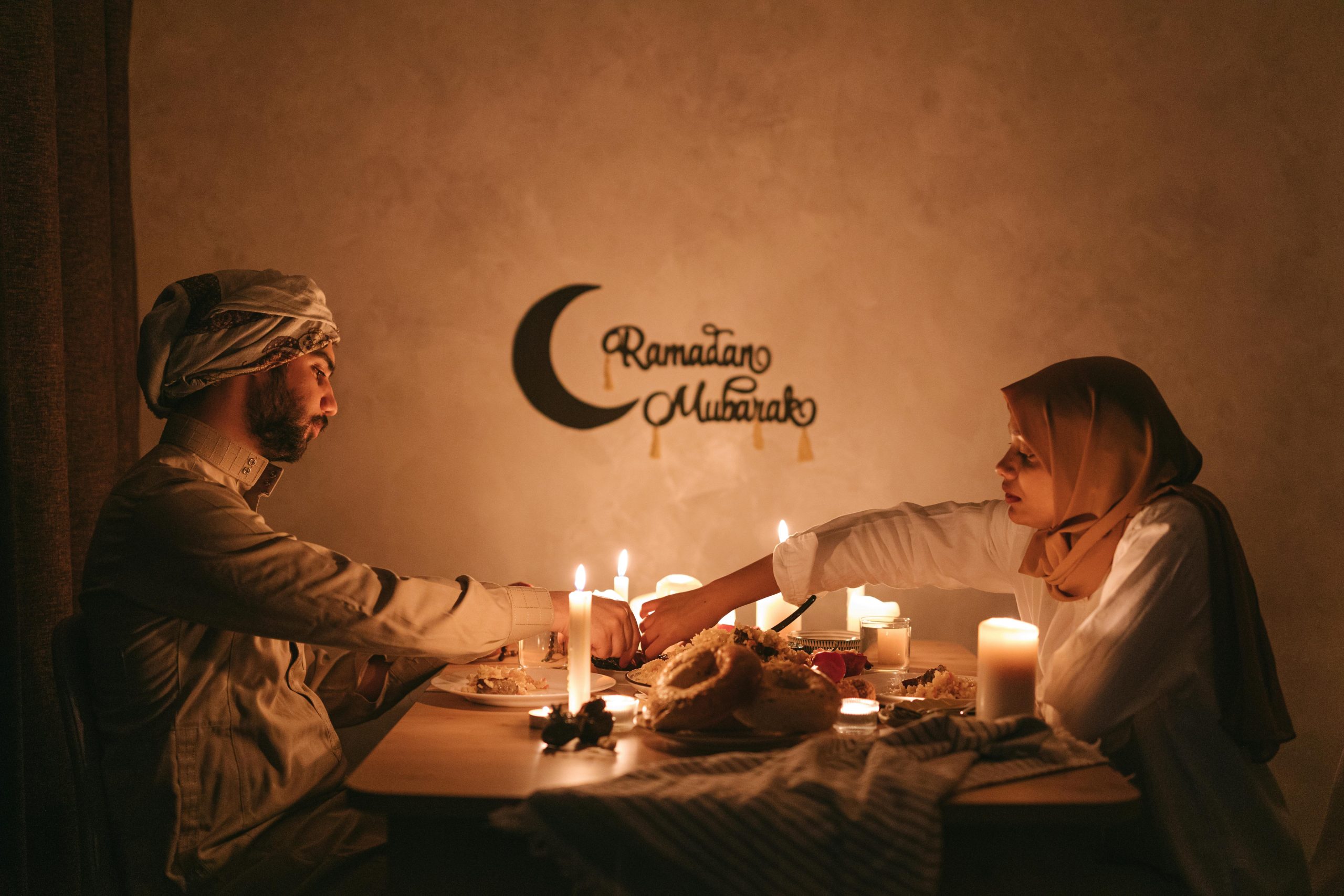
For many Muslims around the world, hearing or saying Ramadan Mubarak is far more than a seasonal phrase — it’s a powerful trigger of cherished memories and heartfelt emotions. It instantly evokes the aroma of home-cooked meals wafting from the kitchen before iftar, the sound of children playing while waiting for the call to prayer, and the comforting sight of families gathering on the floor, hands raised in prayer. It brings back vivid images of late-night taraweeh prayers at the mosque, of whispered duas under starry skies, and the contagious excitement building toward the celebration of Eid. These two simple words remind Muslims of their deep-rooted faith, the warmth of family bonds, and the profound beauty of giving — whether it’s time, food, or love.
“We have more in common than we think. It’s in the sharing of our differences that we discover our shared humanity.”
— Desmond Tutu
But the Ramadan Mubarak meaning doesn’t just resonate with Muslims. Even for those who do not observe Ramadan, taking the time to understand this greeting can open meaningful pathways — to learning about Islam, to appreciating its values of patience, humility, and gratitude, and to embracing the universal spirit of compassion that the month encourages. It creates an opportunity to celebrate diversity, build empathy, and participate in a global tradition of reflection and kindness. Saying Ramadan Mubarak, or simply learning what it means, becomes a gentle act of connection — one that builds bridges across cultures, strengthens communities, and reminds us all of the light we can share with each other.
Final Thoughts
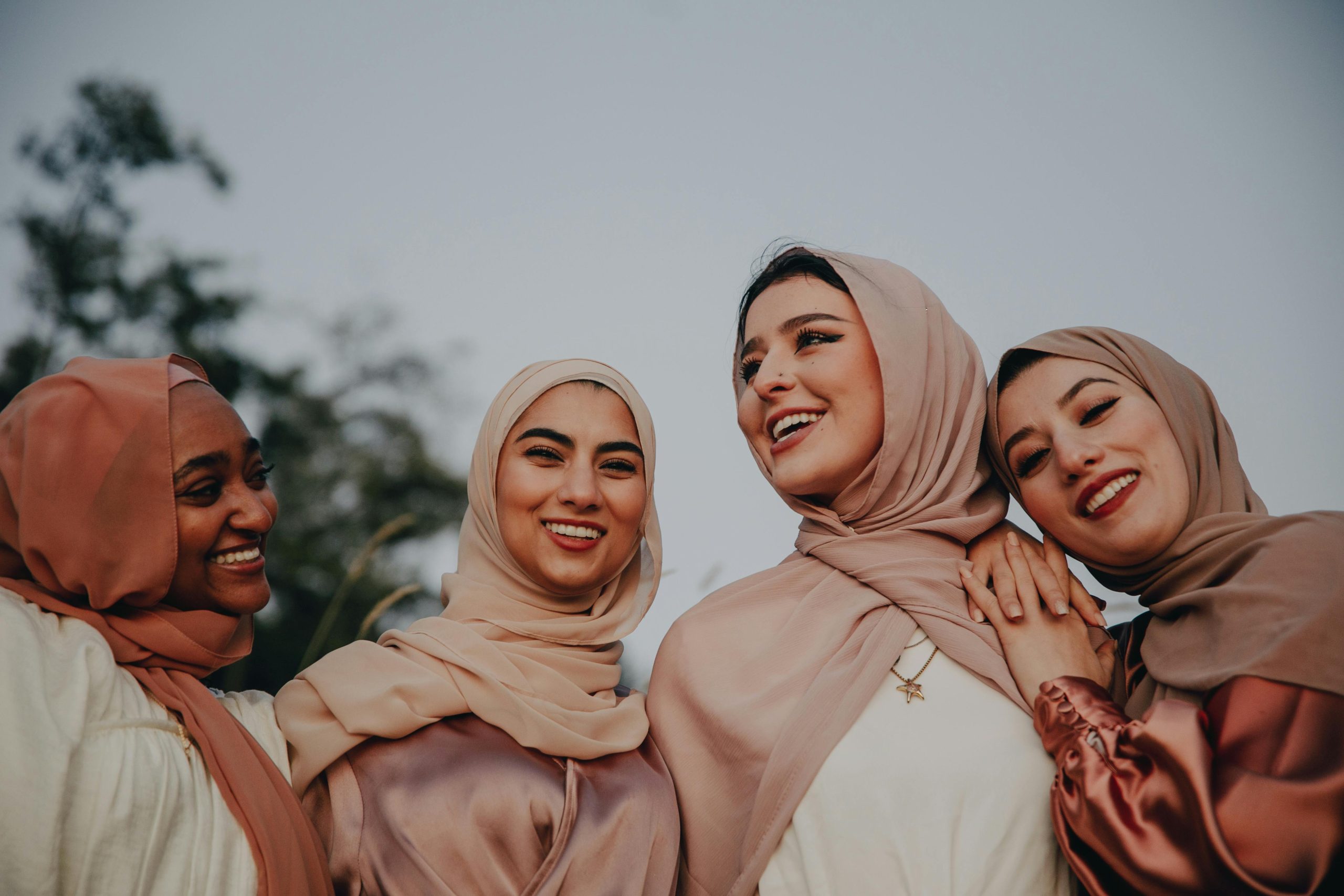
The Ramadan Mubarak meaning may seem simple — “Blessed Ramadan” — but those two words carry deep faith, tradition, The Ramadan Mubarak meaning may seem simple — “Blessed Ramadan” — but within those two words lies a message rich in faith, tradition, and human connection. For Muslims, it brings to mind memories of family gatherings at sunset, peaceful moments of prayer, and the joy of giving to others. It’s a phrase that marks not just the start of a sacred month, but a deeper spiritual journey.
For non-Muslims, understanding and using the greeting is a meaningful way to show respect, express solidarity, and build bridges across cultures. In today’s increasingly diverse workplaces, schools, and communities, small yet thoughtful gestures like saying Ramadan Mubarak can go a long way in fostering empathy, inclusivity, and a sense of belonging for all.
If you’re looking to stay informed about important cultural and religious observances like Ramadan, platforms like DiversityCalendar.org offer a helpful and practical way to celebrate and acknowledge diversity throughout the year — not just during major holidays, but every day.
unity. For Muslims, it evokes memories of family, prayer, and generosity. For non-Muslims, it’s an opportunity to show respect and build understanding.
In today’s diverse world, simple gestures like saying Ramadan Mubarak can foster connection and inclusion. To stay aware of meaningful dates like Ramadan and other cultural observances, tools like DiversityCalendar.org make it easy to honor and celebrate diversity all year round.
0 comments